He was, on paper, just a California computer parts guy. A man who bought servers from American manufacturers and sold them abroad. Except federal prosecutors say the real business was somewhere else entirely: funneling more than $300 million in export-controlled AI hardware to China, one falsified document at a time.
Greg Lui, 38, also known as Yiu Kong Lui, of San Gabriel, California, was arrested Thursday, October 1, on a three-count federal indictment. The U.S. Department of Justice says Lui used his company, Earthmade Computer Inc., to smuggle high-end computer servers loaded with Nvidia graphics processors to China between 2023 and 2024, routing them through Malaysia and Singapore to dodge American export controls.
The charges are allegations, not findings of guilt. Lui is presumed innocent unless and until proven guilty in court. But if the DOJ’s version of events holds up, this is one of the largest AI chip smuggling cases the United States has ever brought, and it lands at the exact moment Washington is most anxious about who gets their hands on America’s AI hardware.
Who is Greg Lui, and what is Earthmade?
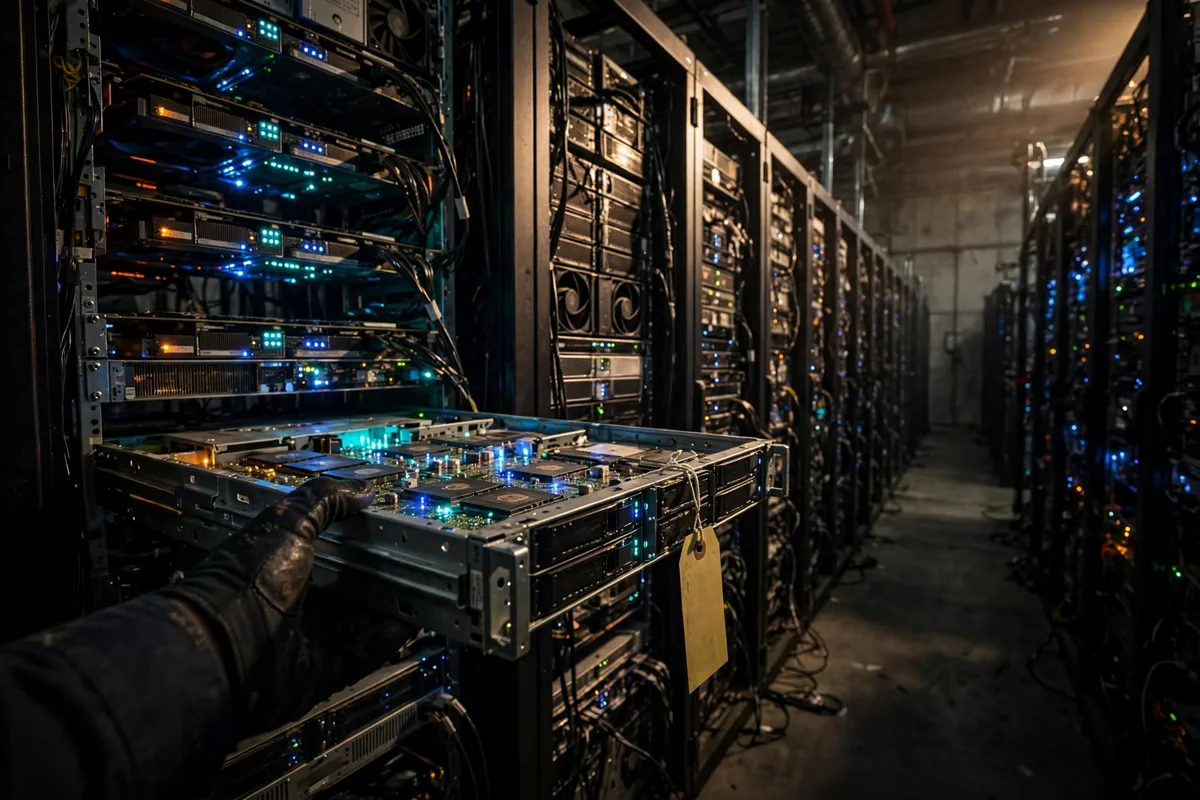
Lui owns Earthmade Computer Inc., a technology company based in the San Gabriel Valley. In the indictment’s telling, Earthmade was both a real business and a cover story. The company bought servers containing some of the most powerful AI chips on the planet, including Nvidia A100s, H100s, and even consumer-grade PNY GeForce RTX 4090 and RTX 5090 cards, all from U.S. manufacturers.
On the surface, nothing about buying computer parts is a crime. The problem, according to prosecutors, is where the parts went and what the paperwork said. The Justice Department alleges that Lui and his co-conspirators filed false paperwork naming buyers in countries where no export license is required, when the real destination was China.
The servers were never meant to stay in Malaysia or Singapore. Those countries were the layover, not the destination.
How the alleged scheme worked
The indictment paints a picture of a smuggling operation built on misdirection. And honestly, the mechanics are more clever than they sound.

The paperwork trick
U.S. export law is strict about one thing: you cannot send America’s most advanced AI chips to China without a license from the Commerce Department. So prosecutors say Lui’s operation simply pretended it was not doing that. Purchase orders and export documents named end users and destinations that did not require licenses. The hardware would then, allegedly, be re-exported to Chinese customers.
The Justice Department went further, describing “staged dummy servers to mislead inspectors.” That is a striking detail. It suggests the operation was not just lying on forms but physically staging equipment to survive inspection, the smuggling equivalent of a movie set.
The Malaysia and Singapore detour
Why those two countries? Because U.S. export controls do not require the same licenses for shipments there. Prosecutors allege the servers were shipped to Malaysia and Singapore first, on clean paperwork, and then quietly forwarded to buyers in China.
Two transactions in the indictment show how concrete this allegedly got. In January 2024, a single purchase order covered 27 servers containing Nvidia H100 GPUs for roughly $7.6 million, which prosecutors say were sent to a China-based buyer. In another deal, 92 servers ordered by Earthmade traveled from San Francisco International Airport to Kuala Lumpur, with the onward shipment to Hong Kong listing a Chinese customer as the consignee.
And then there is the money. Between January and October 2024 alone, court filings say Earthmade received more than $176 million from two Malaysia-based shipment companies as part of the scheme. That is not pocket change. That is an industrial-scale operation.
$300 million, in plain numbers
Numbers this big blur together, so here is what the indictment actually alleges:
- $300 million+ in export-controlled servers allegedly smuggled to China
- $176 million+ paid to Earthmade by two Malaysia-based companies in under a year
- $7.6 million for a single order of 27 servers loaded with Nvidia H100 chips
- 3 charges: conspiracy to violate export controls, outbound smuggling, and conspiracy to commit money laundering
- 20+ years in federal prison if convicted on all counts
Why the DOJ is treating these chips like weapons
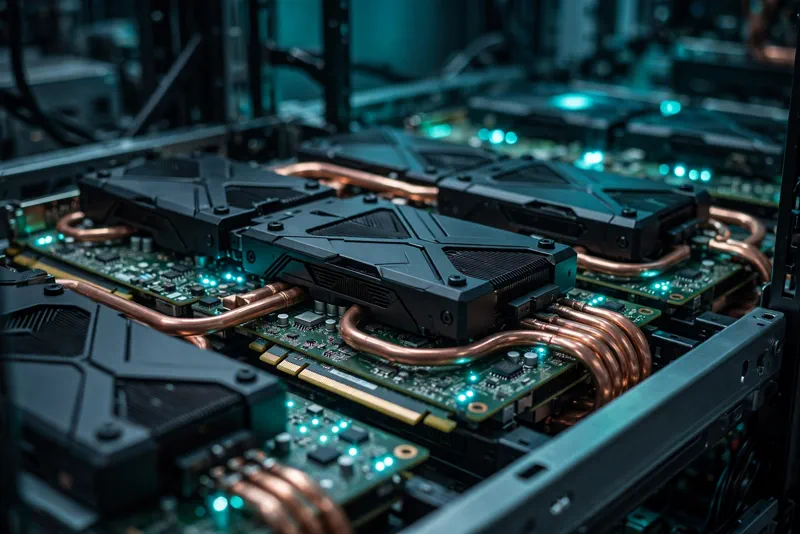
Here is the part that explains why Washington cares so much. These are not the chips in your gaming PC, or at least, not only those. The servers at the center of this case carried graphics processing units built for heavy AI computing, the same class of hardware that powers the most advanced AI systems on Earth.
American officials call these chips a national security asset. The fear is straightforward: cutting-edge AI hardware in the wrong hands could accelerate a rival military’s capabilities. That is why the Commerce Department locks down who can buy them, and why the DOJ is now treating violations like a national security emergency rather than a trade technicality.
“Protecting America’s national security means keeping our advanced Super Intelligence technology from being used to strengthen our adversaries’ military capabilities,” said First Assistant U.S. Attorney Bill Essayli. “This defendant allegedly used false paperwork and shipments through third countries to smuggle more than $300 million in export-controlled computer servers to China. We will aggressively prosecute those who put our national security at risk for profit.”
Assistant Attorney General for National Security John A. Eisenberg was equally blunt, saying the indictment “details alleged efforts to evade U.S. export laws through false documents, staged dummy servers to mislead inspectors, and convoluted transshipment schemes, in order to obfuscate the true destination of restricted SI technology, China.”
Notice the language: “Super Intelligence technology,” “SI applications.” The DOJ’s own press release uses the terminology. This is the same framing that has been running through the administration’s push to rebrand AI policy around “Super Intelligence” this week, and it tells you exactly how seriously Washington now takes the hardware race.
What happens next
Lui made his initial appearance and was arraigned Friday, October 2, in U.S. District Court in downtown Los Angeles. He could not be reached for comment, and Earthmade Computer did not immediately respond to requests for comment.
The investigation is far from over. The FBI, the Commerce Department’s Bureau of Industry and Security Office of Export Enforcement, and the Defense Criminal Investigative Service are jointly investigating the case, which suggests prosecutors are still mapping how far the network reached.
This case is also the latest in a growing string of federal prosecutions targeting the alleged smuggling of advanced American computing technology to China. Washington has made it clear that keeping AI chips out of Beijing’s reach is now a top enforcement priority, and the pattern of these cases suggests the DOJ believes the smuggling problem is bigger than any single indictment.
For the broader technology world, the message is sharp: the AI race is no longer just about who builds the best chips. It is about who keeps them. And the U.S. government just signaled it will chase anyone who helps them slip across the border, one false document at a time.
Sources: U.S. Department of Justice press release; Reuters. All charges are allegations; the defendant is presumed innocent.