
Sunday night in Brazil, the pollsters got it wrong. By Monday morning, Wall Street was handing out the reward. Brazilian stocks are pointing to a surge of more than 11% at the US open after challenger Flavio Bolsonaro stunned the polls, finishing ahead of incumbent President Luiz Inacio Lula da Silva and forcing a runoff that investors think he can win.
This was not supposed to happen. Almost every private survey in the final days of the campaign had Lula leading the first round by around three points. Instead, Bolsonaro took roughly 47% of valid votes to Lula’s 45%, and traders who had bet on the market friendly challenger are cashing in. A victory for Bolsonaro would extend the right wing wave sweeping Latin America, and the money is already moving.
Here is what actually happened, why markets care so much, and what the October 25 runoff could mean for your portfolio.
The Result Nobody Fully Priced In
With nearly 99% of votes reported, Bolsonaro, a sitting senator and the son of former President Jair Bolsonaro, came out on top of a 12 candidate field. Lula, the 80 year old leftist veteran seeking a fourth non consecutive term, finished second. Since neither cleared 50%, Brazil heads to a second round runoff on October 25.
The miss by the pollsters was not small. “The pollsters missed badly,” Robert Muggah, cofounder of the Igarape Institute think tank, said after the results, adding that he expects the runoff polls to understate Bolsonaro as well. Sound familiar? It should. This is the kind of polling error that keeps repeating itself across democracies, and markets have started learning to price it.
There is one more detail that matters for the math. The three most significant fringe candidates each pulled roughly 2% of the vote, and they are generally right leaning. If those voters consolidate behind Bolsonaro in three weeks, the challenger goes into the runoff with real momentum and, according to strategists, pole position.
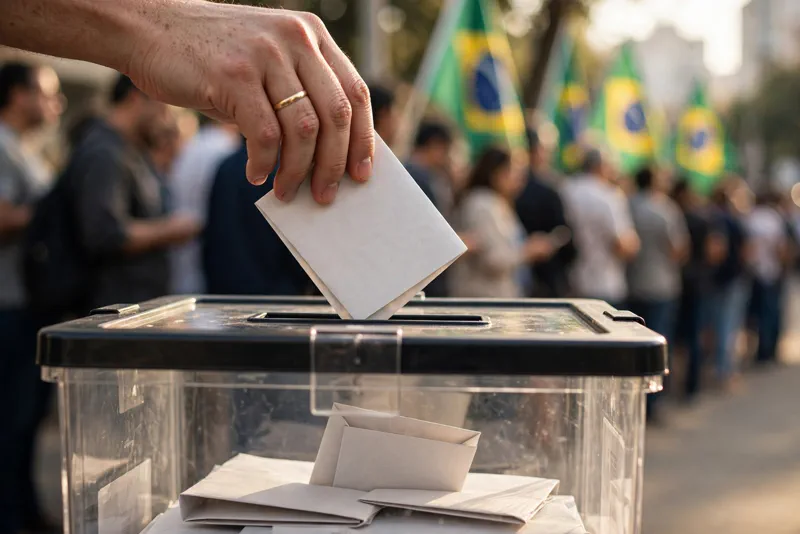
Why the second round is the whole trade
Betting markets now give Bolsonaro about an 83% chance of winning the presidency, a dramatic repricing from just weeks ago. U.S. prediction markets, which are banned in Brazil, had already tilted toward the challenger before the vote, and fund managers called the setup asymmetric: a Lula win might knock Brazilian stocks down a few percent, while a Bolsonaro win could trigger a rally of as much as 10%. Sunday’s result tilted that math sharply in favor of the rally camp.
Why Markets Are Cheering a Bolsonaro Lead
It is not about the person. It is about the policy promise. Bolsonaro is running on reduced government spending and a smaller state, an approach fund managers openly compare to the shock therapy playbook of Argentina’s Javier Milei. Investors see a friendlier regime for profits, privatization, and fiscal discipline.
In pre market trading Monday, shares in the iShares MSCI Brazil ETF (EWZ), the main way US investors buy Brazilian stocks, were indicating a surge of more than 11% when markets open. The real, Brazil’s currency, barely moved against the dollar, while Brazilian 10 year bond yields dipped a few basis points, a small sign that debt investors are relaxing too.
Malcolm Dorson, senior portfolio manager for the Global X Brazil Active ETF, told MarketWatch last week that if Bolsonaro came close enough to Lula to look like a plausible winner, the Bovespa had significant upside. The vote did better than close. It put the challenger in front.

What This Means for US Investors
You do not need to fly to Sao Paulo to trade this. The EWZ ETF and Brazil focused mutual funds give US investors direct exposure, and hedge fund hot money is already expected to flood in. Brazilian equities have delivered roughly a 16% return so far this year, with the real’s appreciation against the dollar adding another 5% for international investors. This week could add a meaningful chunk to that.
But remember what you are buying: exposure to an election outcome, not a done deal. The runoff is three weeks away. A lot can happen between now and October 25, and Latin American politics has a way of humbling confident forecasts. Here is the honest checklist before you chase the move:
- The polls could be wrong again, in the other direction. Runoff polls currently show a dead heat. If they are understating Bolsonaro, he wins. If they are simply wrong, Lula survives.
- Markets may already be pricing a win. An 11% pre market pop is the market front running the October 25 result. If Bolsonaro wins as expected, the actual announcement day pop could be modest. If he loses, it will hurt.
- Brazil’s real problems have not changed. Public debt is high, growth is sluggish, and the campaign offered almost no serious policy debate. Both candidates skipped the major TV debates. The fiscal math is the same on Monday morning as it was on Friday.
- The Washington factor is real. Lula’s government has clashed with Washington over trade and security. A Bolsonaro win would align Brasilia with the Trump administration’s regional posture, which investors read as bullish for trade relations.
The Risks Wall Street Is Whispering About
For all the excitement, the fine print is worth reading. Lula is not out. The incumbent is reportedly considering naming Vice President Geraldo Alckmin as finance minister in a bid to reassure markets and win centrist voters. It is a classic late campaign pivot: keep the leftist base, buy off the economic center.
There is also the question of what happens after the celebration trade fades. Brazilian stocks can rally on hope, but sustaining it requires the new government to actually cut spending and grow the economy. Jair Bolsonaro, the candidate’s father, is serving a 27 year sentence for plotting a coup after losing the 2022 election, a reminder that Brazil’s political drama rarely ends quietly.
Currency risk is the quiet killer in emerging market trades. If the real slides after the election, dollar based investors can watch a Bovespa rally evaporate in translation. So far the real is holding steady, but election seasons and capital flight have a long relationship.

The Bottom Line
Brazil just delivered the kind of electoral surprise that markets live for. The polls said Lula would lead. The voters said otherwise. And now Wall Street has three weeks to bet on whether Flavio Bolsonaro finishes the job on October 25.
The early money is emphatic: an 11% surge in Brazilian stocks before the opening bell is not a subtle signal. But the smartest money in the room remembers that election trades are two way streets. The runoff will be fought over the cost of living, corruption, and crime, the same issues that dominated the first round, and either candidate can still win.
Watch the polls, watch the real, and watch October 25. In the meantime, the market has made its opening bet. It just might be the loudest bet of the year.
Sources: Reuters reporting on the first round results, MarketWatch live coverage of Brazilian shares, Traders Union market analysis. For the bigger picture on market warning signs, see our coverage of the 35% S&P 500 crash warning and browse more in the Markets section.