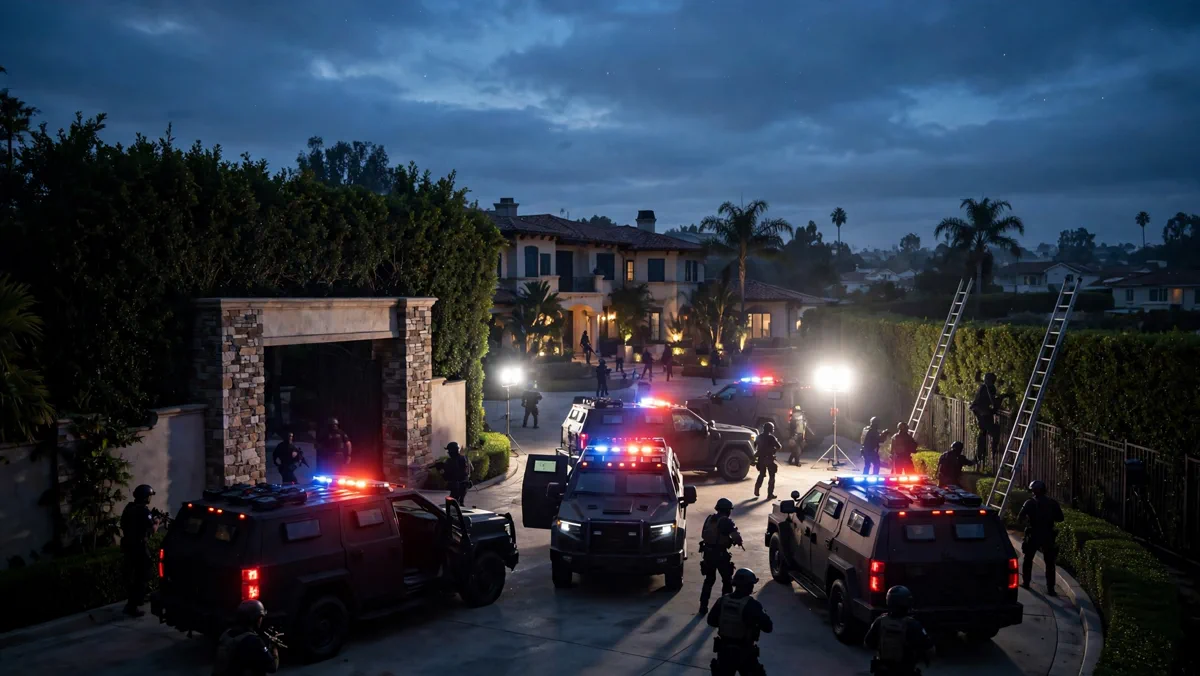
The Flash-Bangs Went Off at Dawn
It was still dark outside the Tarzana mansion when the first flash-bang exploded. FBI agents had cut through the security gate, propped ladders against the tall fences, and surrounded the $2 million home with a swarm of armed vehicles. “Come out with your hands up,” an agent called. Minutes later, Hany Malek, 61, was in handcuffs, led to an armored truck while agents trained their guns on his suburban fortress.
Malek is a chiropractor. Prosecutors say he spent years pretending to be something far more powerful: a medical doctor who diagnosed patients with serious arterial disease they did not have, then steered them into invasive surgeries that left them in pain, all to bill Medicare. And according to the Justice Department, he kept an arsenal inside that mansion. Federal agents went in believing he was armed and dangerous.
Malek was just one target. On Thursday, federal agents carried out predawn raids across Southern California and charged 15 people, including six medical professionals, in what the DOJ says is nearly $2 billion in fraudulent claims against government and private insurers. The bust includes the largest sober-home fraud scheme the department has ever prosecuted: a $1.6 billion operation that allegedly recruited homeless people and addicts into sham rehabs and billed insurers for treatment that barely existed.
Three Schemes, One Dawn
Federal prosecutors describe three interlocking schemes, and the numbers are staggering even by the standards of Southern California health care fraud, which has been a national hotspot for decades.
- The $1.6 billion sham rehab case: the largest sober-home fraud scheme the DOJ has ever prosecuted, according to the charges. Recruiters allegedly hunted the homeless and addicts, lured them to California rehab facilities, enrolled them in high-paying insurance plans, and billed for little or no actual treatment.
- The $135 million surgery scheme: Dr. Harold Tabaie, 78, a cardiothoracic surgeon from Anaheim, and Malek, his business partner, allegedly billed Medicare for medically unnecessary atherectomies, an invasive procedure in which a bladed catheter is threaded into arteries to clear plaque. Malek also faces bank and PPP fraud counts.
- The $138 million hospice scam: three separate indictments allege false Medicare billing for patients who were not terminally ill, plus related pharmacy and genetic-testing kickback cases worth additional millions.
The Chiropractor Who Played Doctor
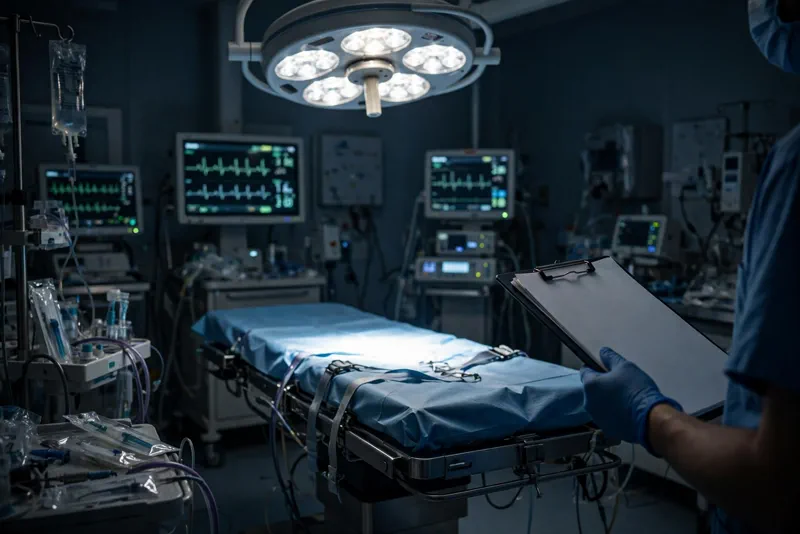
The details in the Malek-Tabaie case are the ugliest. Prosecutors allege Malek falsely presented himself as a physician, diagnosed patients with arterial disease, and recommended atherectomies even though the patients did not have the condition. The procedures, they say, caused pain and lasting harm.
Assistant U.S. Attorney Bill Essayli put it bluntly. Malek’s operation allegedly told patients their initial surgeries had failed, requiring repeat operations. “This was all just to bill Medicare,” Essayli said. “They would churn money, so they can buy mansions like this.”
That mansion was the scene of Thursday’s most cinematic arrest. The California Post was there as camouflaged federal agents encircled the Tarzana property before sunrise. Three flash-bangs detonated. The gate was cut. After a few tense moments, agents brought Malek out in handcuffs. It was the kind of takedown usually reserved for cartel bosses, not chiropractors.
The Homeless Pipeline
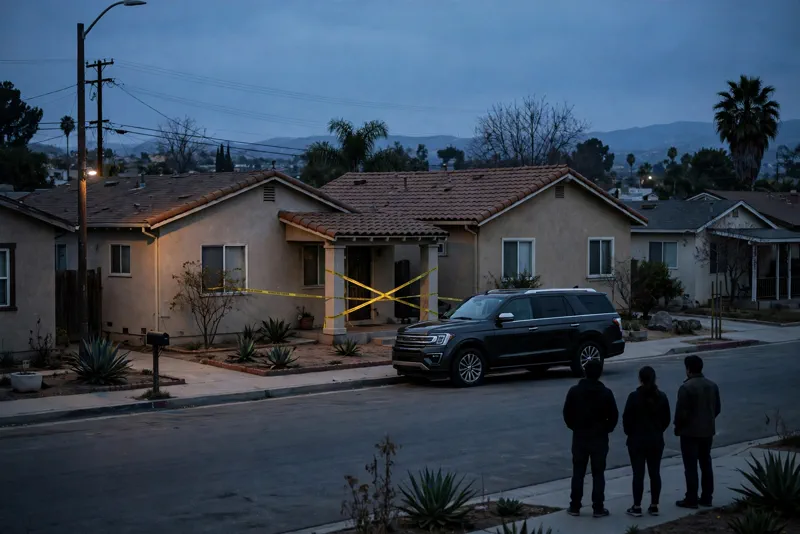
If the surgery case is about pain inflicted for profit, the sober-home case is about people treated as inventory. According to the charges, a father-and-son duo allegedly trafficked homeless individuals into Southern California and other regions, steering them into rehabs that billed private insurers for treatments that often never happened.
Think about the machinery required for something like this: recruiters on the street, vans, insurance enrollment specialists, billing operations. A $1.6 billion scheme does not run out of a back office. It runs like a business, with pipelines, quotas, and targets. The DOJ says this is the biggest sober-home case it has ever brought, and the human cost is impossible to calculate. People who needed help became line items on fraudulent claims.
The hospice indictments complete the picture. Billing Medicare for patients who were not dying is fraud in its most cynical form: charging the government for end-of-life care that no one needed, while real hospice patients and their families navigate a system this kind of theft bleeds dry.
How the Feds Caught Them
The takedown was not the work of a lucky tip. Assistant Attorney General Colin McDonald, who heads the DOJ’s National Fraud Enforcement Division, said the schemes were detected through data analytics that flagged billing outliers.
“These charges include the largest sober home fraud scheme the Department has ever prosecuted, and a scheme involving unnecessary invasive procedures that was detected through data analytics,” McDonald said. “Our message is simple: if you steal health care dollars from the American taxpayer or abuse your position to harm patients, we are coming for you, and the data will lead us to you.”
That line about data matters. Health care fraud has always been a volume game: small claims, massive scale, buried in millions of legitimate bills. Machine analysis can spot the patterns no auditor could: a chiropractor ordering artery surgeries, a hospice enrolling the healthy, a rehab billing like a luxury resort. The investigation was a multi-agency effort, with the DOJ’s National Fraud Enforcement Division, the U.S. Attorney’s Office, the FBI, IRS Criminal Investigation, and HHS’s Office of Inspector General all involved.
Officials said they will pursue asset forfeiture, notify victims, and continue investigating, which means more names could surface in the coming weeks.
What Happens Next
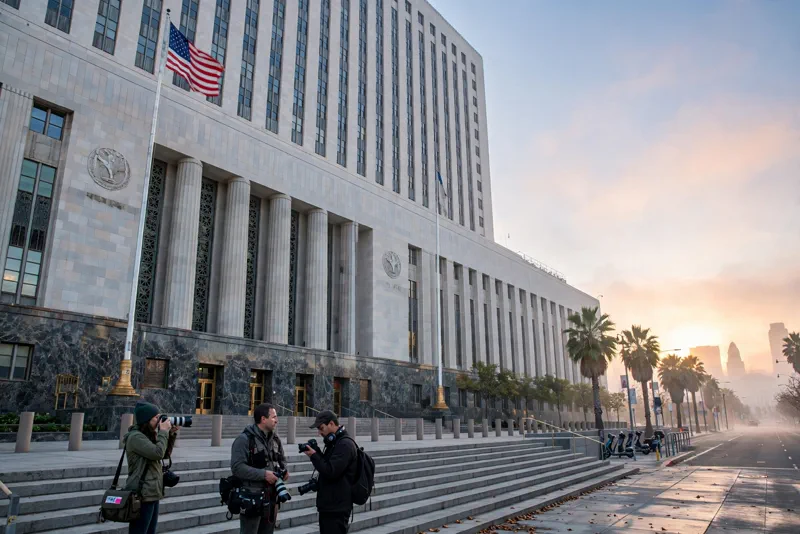
It is worth stating plainly: these are charges, not convictions. Every defendant, including Malek and Tabaie, is presumed innocent until proven guilty, and the cases now move to federal court, where prosecutors will have to prove each claim. Fraud cases of this size routinely take years to reach trial, and plea deals are common.
But the scale of Thursday’s operation sends its own message. Predawn raids across one metro area, 15 defendants, nearly $2 billion in alleged false claims, and a chiropractor dragged out of a $2 million mansion before sunrise. The DOJ is clearly done treating health care fraud as a paperwork problem.
If you or someone you know was treated at one of the facilities named in these cases, the Justice Department says victim notifications are underway. And if you are one of the people who billed for care no one ever received, the feds have a message for you, too. The data will lead them to you.
Sources: Fox News, New York Post, Particle News. See also our coverage of federal agents’ predawn raid on Rep. Ilhan Omar’s home and the DOJ’s $5 million settlement with Instacart, or browse more US News.