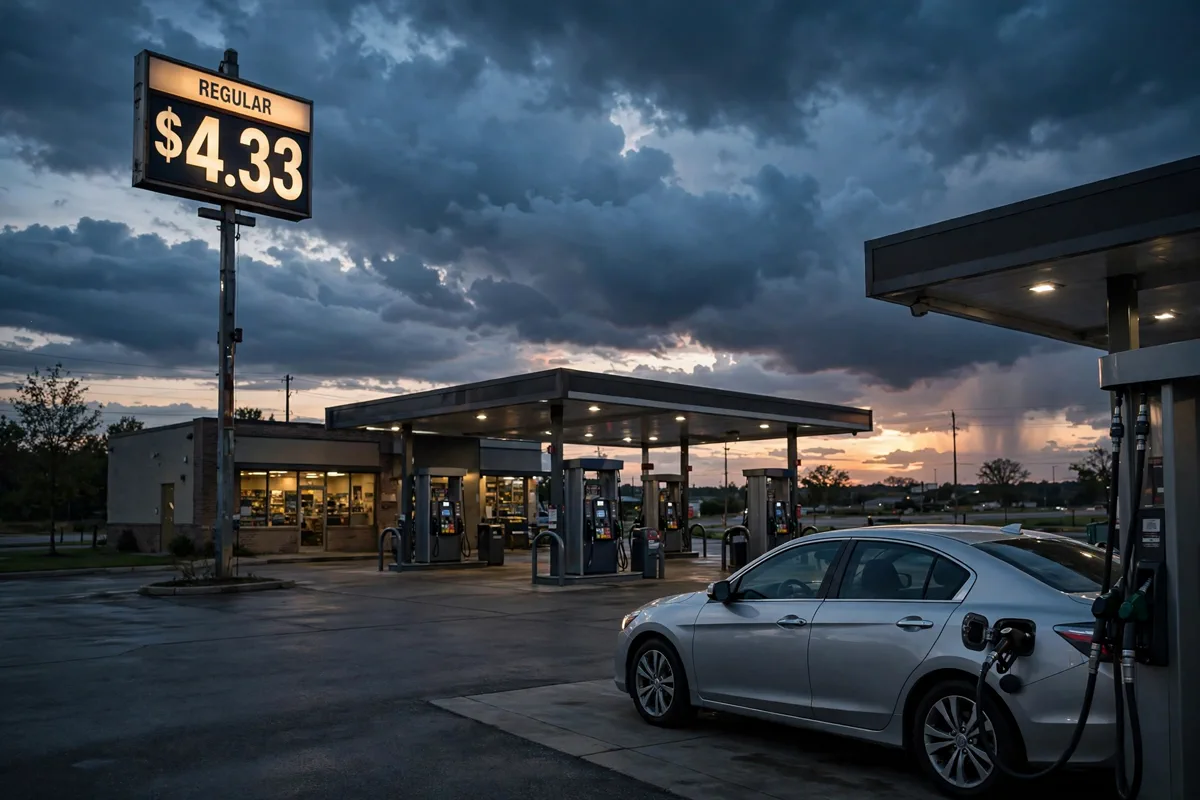
There is a new American record, and nobody is celebrating it. On Wednesday, October 14, the national average price of regular gasoline crossed $4 a gallon for the 158th day this year, breaking the previous record set in 2022. That makes 2026 the longest stretch of $4-plus gas in history, according to GasBuddy petroleum analyst Patrick De Haan, who tracks the count.
Here is the part that should bother you more than the number: it is October. Gas is supposed to get cheaper now. It did not. The national average is $4.33 a gallon as of today, per AAA, and this is the first October on record where prices never dipped below $4. Autumn is usually when drivers get a break. This year, there is no break.
The numbers behind the record
Records are about numbers, so let us get specific. A year ago, regular gas averaged $3.12 a gallon. Today it is about $1.25 higher. That gap has a dollar figure attached to your life: if you buy 50 gallons a month, a fairly typical amount for a commuter, you are spending roughly $63 more per month than last October just on fuel. A single 15-gallon fill-up now costs about $65, compared with roughly $46 a year ago.
Where you live changes the picture dramatically. California drivers are paying $6.34 a gallon on average, the most expensive market in the country, followed by Hawaii at $5.63 and Washington at $5.46. On the other end, Ohio sits at $3.71, Indiana at $3.72, and Georgia at $3.84. The gap between the priciest and cheapest state is nearly $2.63 for the exact same gallon of gas. Nobody can fully explain why Indiana gets a deal and California gets hammered, but refinery capacity, taxes, and environmental rules do a lot of the explaining.
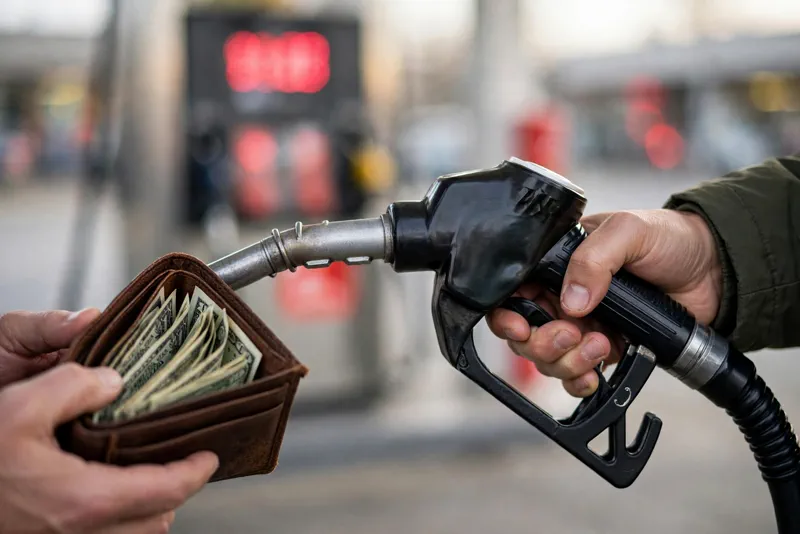
And it is not just the pump at the corner. The federal government reported this week that gas prices jumped more than 9% in September from August, and that jump alone accounted for more than half of the total increase in consumer prices last month. Overall inflation hit a four-month high in September. In other words, the pump is the biggest reason your money is not going as far right now.
Why gas refuses to come down
The short answer is a war on the other side of the world. Fighting in the Strait of Hormuz and the broader conflict involving Iran produced a historic oil supply shock earlier this year, and global crude prices sit above $106 a barrel, roughly 50% higher than before the war began. Before the fighting started in February, the national average was below $3 a gallon.
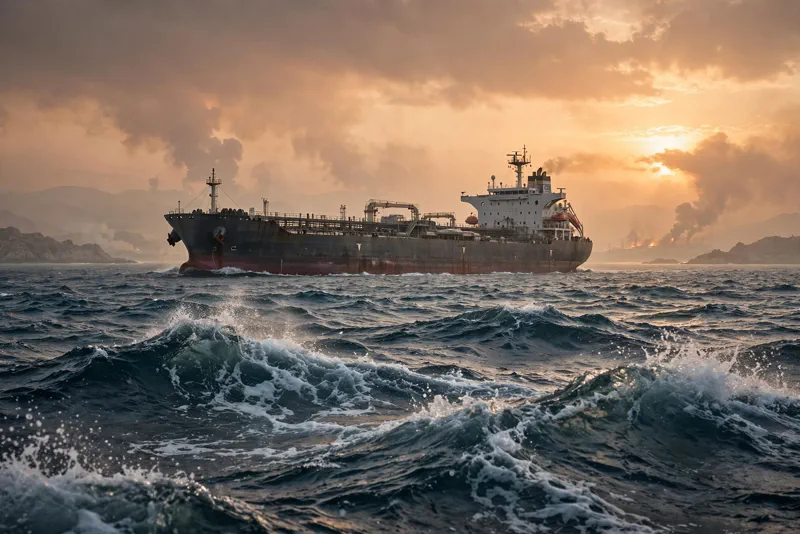
There was a pause. A preliminary peace agreement over the summer brought an on-again, off-again ceasefire, and inflation actually eased a bit. But the accord expired in August, attacks on oil infrastructure and tankers in the region picked up again, and prices went right back up. Just this week, reports of explosions in Riyadh sent crude prices jumping nearly $5 a barrel in a single morning.
The one piece of good news involves Hurricane Isaias. AAA had flagged the storm as a threat to Gulf Coast refineries and oil production, but analysts now say it is tracking farther from Louisiana refineries than feared, with weaker winds and lower rainfall. One risk off the table, several still on it.
It is bigger than the pump
Diesel tells the next chapter. The average diesel price is $6.29 a gallon, up roughly 66% since the war began. Diesel is what moves trucks, trains, and farm equipment, so when diesel surges, it eventually shows up in grocery prices, shipping costs, and just about everything with a supply chain. Your grocery bill and your gas bill are connected in ways that are not obvious until you watch them rise together.
The toll is showing up in how Americans feel about money. The University of Michigan’s monthly consumer sentiment survey dropped close to its lowest level in the survey’s 74-year history in September. People are not just annoyed at the pump; they are pulling back, worried, and watching every dollar. With midterm elections weeks away, affordability has become the top issue for voters, and there may be no more visible daily reminder of it than the price sign at the gas station.
Nine ways to pay less at the pump anyway
You cannot fix the price of oil. You can absolutely shrink your own bill. None of these are magic, but together they can take a real bite out of that extra $63 a month:
- Shop every station. Apps like GasBuddy and the AAA app show prices in real time. A difference of 30 cents a gallon between two stations on the same road is completely normal, and that is $4.50 saved on one fill-up.
- Fill up on the cheap days. Gas prices often follow a weekly cycle in many cities, rising late in the week. Watch your local pattern and fill up when it dips, not when the tank screams empty on a Friday.
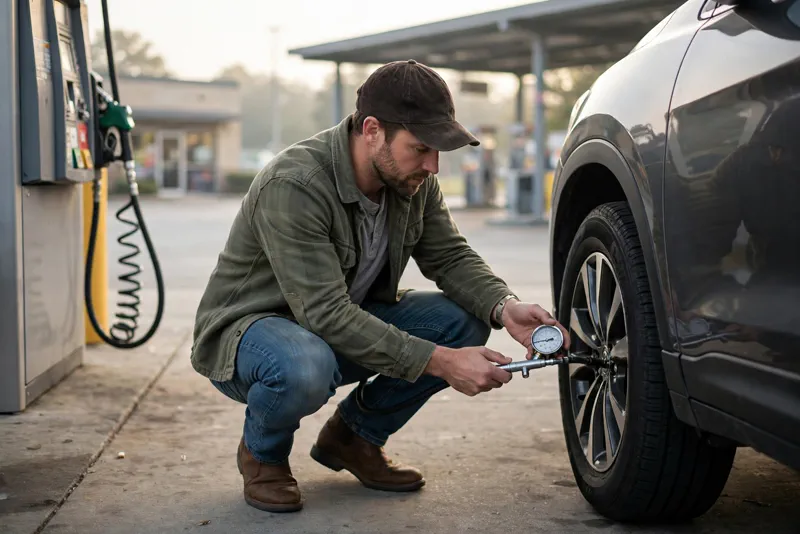
- Check your tire pressure. Underinflated tires can cut fuel economy noticeably. It is free, takes five minutes, and most drivers never do it.
- Slow down a little. Fuel economy drops sharply above highway speeds. Dropping from 75 to 65 mph on a long commute can save a meaningful amount of gas over a month.
- Stop hauling extra weight. Every 100 pounds of junk in the trunk hurts mileage. Roof boxes are worse. Clean out the car.
- Combine your errands. A cold engine burns more fuel. One planned trip beats four short ones, especially in traffic.
- Use grocery and warehouse rewards. Fuel points from grocery chains and warehouse club memberships are some of the easiest free money in personal finance. Stack them with a rewards credit card if you pay it off in full.
- Skip premium unless your car needs it. If the owner’s manual says regular, premium gas buys you nothing but a higher bill. Check before you assume.
- Drive smooth. Hard acceleration and hard braking are the fastest ways to burn gas. Gentle driving can improve mileage by 10% or more in stop-and-go traffic.
The bottom line
This record is not about one bad week. It is about 158 days of Americans paying more for the most basic thing a car needs, during a season when relief usually arrives. The forces keeping prices high are mostly out of your control: a war, broken supply lines, fragile shipping lanes.
What is in your control is the margin. The average driver has bled hundreds of dollars more than last year at the pump, and there is no clear end in sight. Until the supply shock eases, every gallon you save is money back in your own pocket, and in a year like this one, that matters more than it usually does.