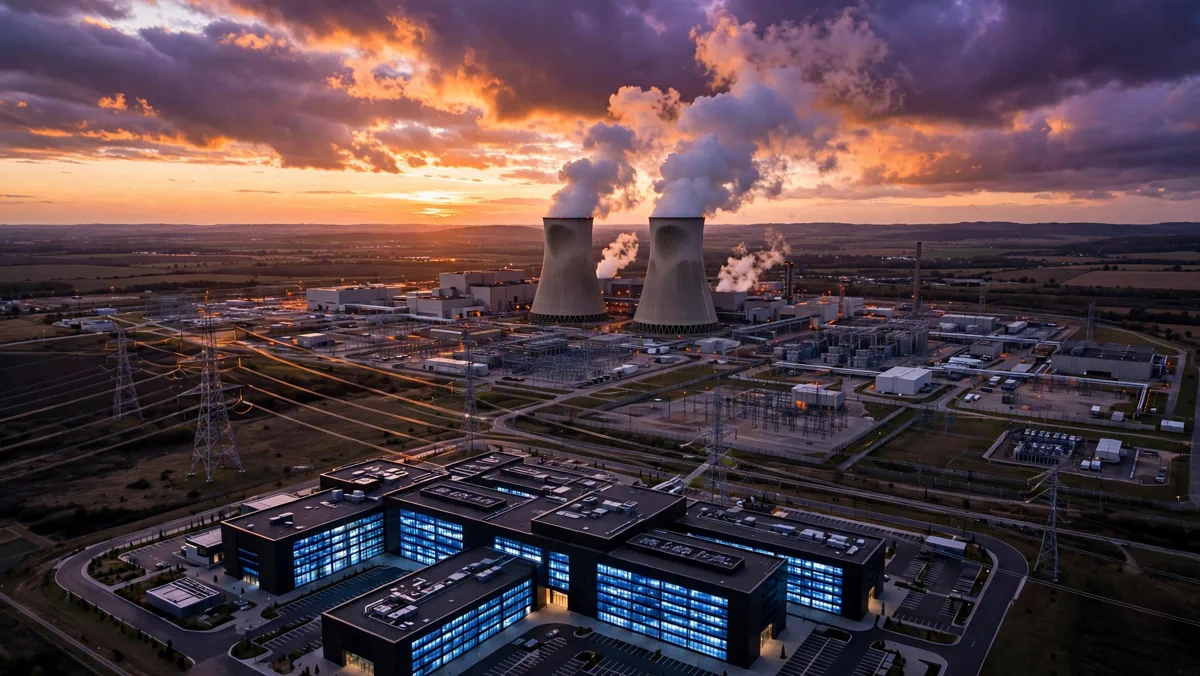
Google Is Going Nuclear: The $1 Billion Deal to Keep AI Fed
Every time you ask an AI chatbot a question, somewhere a data center chugs through an enormous amount of electricity to answer it. Now Google is reportedly ready to spend more than $1 billion on an old-school solution to that very modern problem: nuclear power.
According to Bloomberg reporting on Monday, Google parent Alphabet is nearing a multi-year deal to buy nuclear energy from Constellation Energy, the largest nuclear plant operator in the United States. The deal could be announced as soon as this week. Neither company has commented, which in deal-speak usually means the paperwork is close enough to matter.
If you think this sounds dramatic, you are right. One of the world’s most valuable companies is essentially saying the AI race is no longer just about chips and code. It is about who can keep the lights on.
The deal behind the headline
Here is what we know from the reporting. Alphabet would purchase nuclear electricity from Constellation over several years, in a contract valued at $1 billion or more across its lifetime. The exact size of the power commitment, which plants would supply it, and the precise terms have not been disclosed.
That missing detail is worth keeping in mind. This is a reported near-deal, not a signed contract. Big Tech energy announcements have a way of sliding around before they get formal. But the pattern around it is impossible to ignore, because Google is not the first tech giant to go shopping for reactor output, and it probably will not be the last.
Why AI has Big Tech chasing nuclear plants
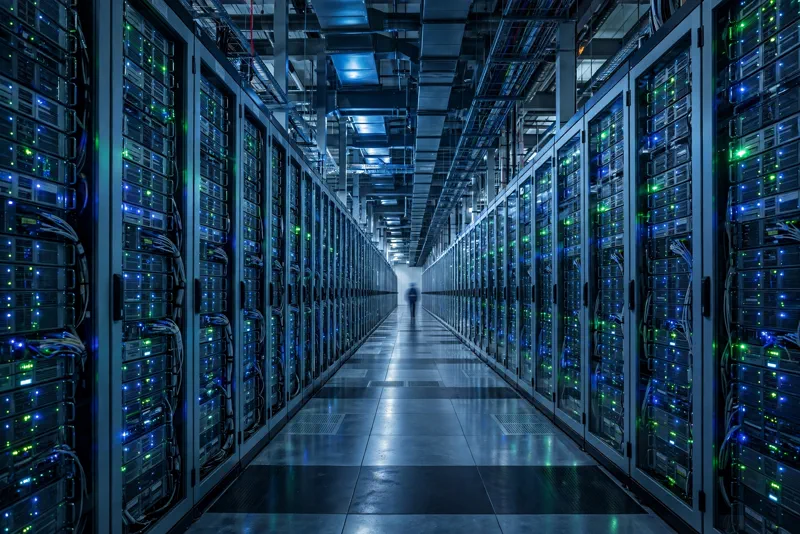
Data centers are among the hungriest electricity consumers on the planet. Training and running large AI models means racks of power-dense processors running around the clock, and the newest data centers use several times the power of the facilities built just a few years ago.
That creates two problems at once. First, there is the sheer volume of electricity. Grid planners across the US are now scrambling to meet demand projections that would have looked absurd a decade ago. Second, there is the timing problem. Data centers need power every minute of every day, rain or shine, which makes steady, always-on sources especially valuable.
Nuclear plants run almost continuously, and they do it without direct carbon emissions. For tech companies that have spent years promising to slash their carbon footprints while simultaneously building the most energy-intensive computing infrastructure in history, that combination is close to irresistible.
The nuclear land rush is already underway
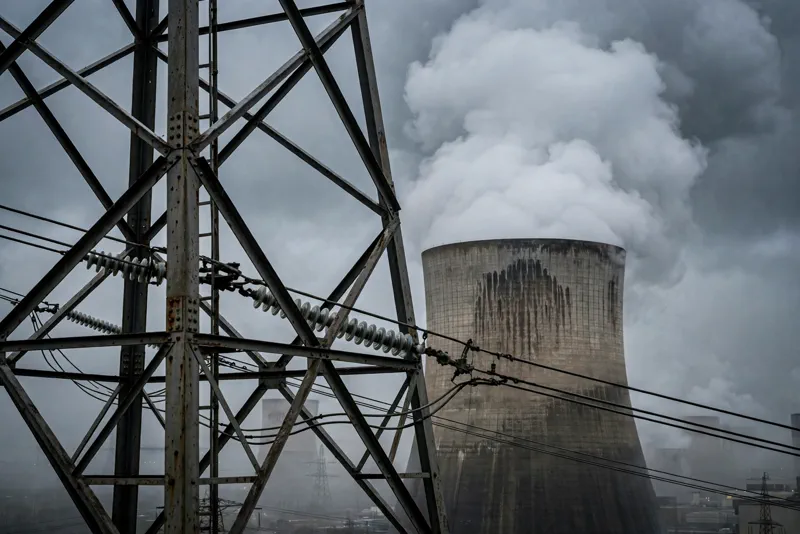
Google’s reported move fits into a much bigger atomic shopping spree. Consider what its rivals have done in just the past couple of years.
Amazon recently committed to a 20-year power purchase deal with Constellation for 690 megawatts from the Calvert Cliffs nuclear plant in Maryland. About 190 of those megawatts would come from upgrades that boost the facility’s output between 2030 and 2032, backed by more than $3 billion in planned investment. Constellation says the arrangement will help underpin two more decades of operation at the plant.
Microsoft went even bolder. In 2024 it signed a 20-year agreement to support the restart of Unit 1 at the Three Mile Island plant in Pennsylvania, the same facility known for the famous 1979 accident, though it was the plant’s other unit involved there. The restarted unit, renamed the Crane Clean Energy Center, is expected to deliver 835 megawatts starting in 2027.
And Google itself is already in the game. Last year it partnered with NextEra Energy to restart an Iowa nuclear facility, and last month it agreed to support upgrades at two Southern Co nuclear plants. The reported Constellation deal would stack another large commitment on top.
One analysis of announced US tech and data-center nuclear commitments puts the cumulative total at an estimated 29.8 gigawatts of capacity. To put that in perspective, that is roughly the output of 30 large nuclear reactors worth of ambition. Not all of it will materialize, and the figure measures announced plans rather than operating power, but the scale of the intent is staggering.
So what does this mean for your electric bill?
This is the part of the story worth watching closely, because there is a legitimate debate behind the excitement.
Supporters of these deals argue that big buyers like Google lock in revenue that keeps existing plants running and funds upgrades, which can actually stabilize the broader grid. More supply, in theory, is good for everyone.
Skeptics counter that when the deepest-pocketed buyers in the world start reserving nuclear output for their data centers, that power is no longer available to everyone else. If utilities then need to build or buy extra capacity to cover regular households, regular people could end up paying more. Regulators and consumer advocates are already asking these questions in several states.
It is a fair concern, and it is not fully answered. The tech companies insist their deals add new capacity or extend the life of plants that might otherwise close. Critics want proof, not promises. Both sides have a point, and the next few years will show who was right.
The bigger picture: AI’s appetite is rewriting the energy map
Strip away the corporate announcements, and what you are really seeing is a fundamental shift. The artificial intelligence boom, which lives on your phone screen, has become a physical problem. It needs concrete, steel, cooling water, transmission lines, and now, apparently, uranium.
For decades, nuclear power in America was the industry everyone had written off: too expensive, too slow to build, too politically toxic. Then the AI industry ran into the one constraint it could not code its way around, and suddenly every hyperscaler wants a seat at the reactor table.
That reversal is one of the strangest stories in technology right now. The future was supposed to be sleek data centers powered by sunshine and wind. Instead, the companies building the future are buying power from plants commissioned when disco was still on the radio.
What happens next
If Bloomberg’s reporting holds, we could see an official announcement within days. That will bring the details that matter: how much power, for how long, from where, and for how much money. Until then, treat the $1 billion figure as a strong signal of intent rather than a signed check.
But do not lose sight of the real story. Whether or not this particular deal lands, the direction is clear. The companies competing to dominate artificial intelligence have realized that the winner might not be the one with the smartest model. It might be the one that figured out where to plug it in.
For more on how the tech industry’s power plays are reshaping the grid, browse our technology coverage.