If You Used Cleo for a Cash Advance, the FTC Might Be Sending You Money
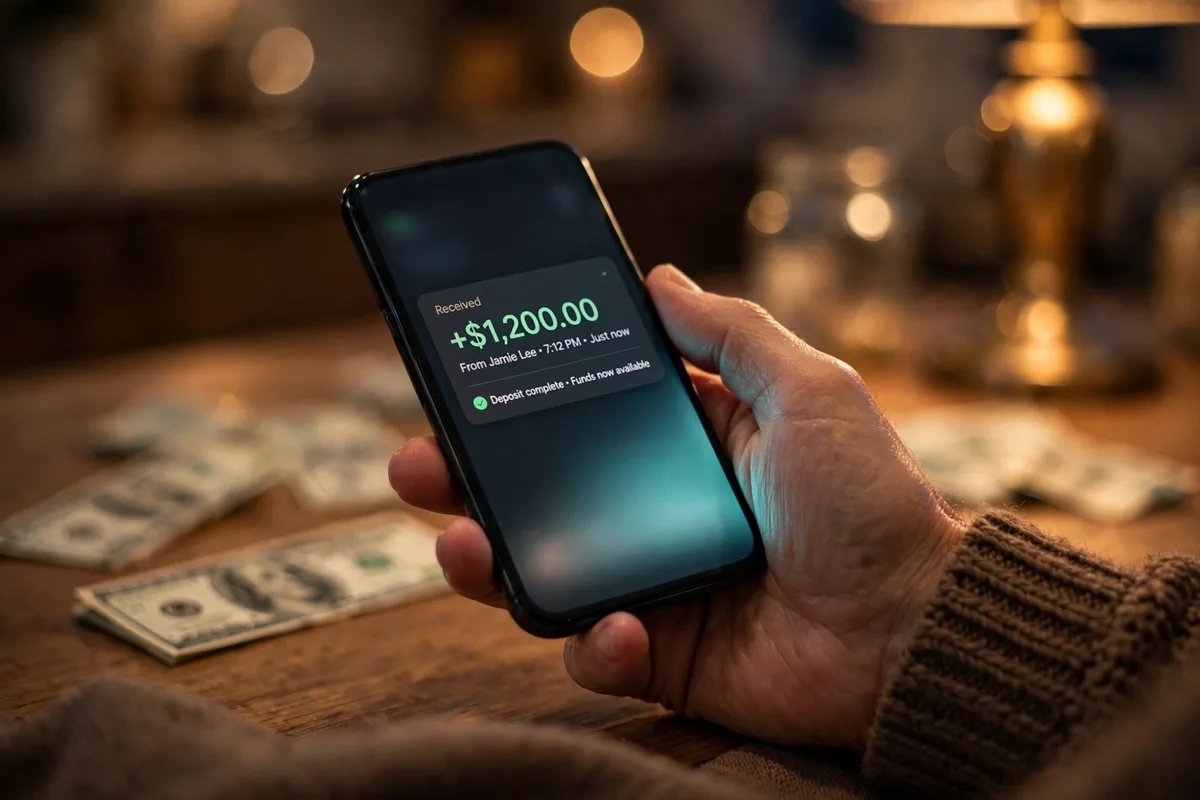
You know that little financial assistant app that promised to float you a few hundred bucks before payday? If you ever paid for an “instant” cash advance from Cleo AI, there is a decent chance your PayPal account is about to get a surprise deposit. Not from Cleo. From the federal government.
The Federal Trade Commission announced on October 8 that it is returning more than $15.8 million to consumers it says were misled by Cleo AI, the self-described AI financial assistant behind one of the most popular cash advance apps in the country. The money goes out as PayPal payments to 2,124,796 customers, starting October 27.
So here is the question everyone is asking: is one of those payments coming to you?
What the FTC says Cleo actually did
This was not a small misunderstanding. In March 2025, the FTC sued Cleo AI in federal court in Manhattan, alleging three big problems.
First, the ads. Cleo promised users access to “hundreds of dollars” in cash advances. The FTC says almost no one received even close to the advertised amounts. The marketing sold a lifeline; the app delivered pocket change.
Second, the speed. Cleo charged extra fees for same-day or instant cash advances, and then the money often did not arrive until the next day anyway. Pay for instant, wait until tomorrow. That is the kind of detail that stings when rent is due.
Third, the exit. The FTC says Cleo made it difficult for users to cancel their subscriptions, the classic maze of buttons that lead everywhere except “cancel.” This is the same pattern regulators have hammered across the subscription economy.
Cleo agreed to pay $17 million to settle the case. That settlement is now being turned into the $15.8 million in consumer refunds going out this month.

Who is getting the money
The FTC says it is sending payments to 2,124,796 Cleo AI customers who paid for eligible instant cash advances. That is a big number, and it is worth being honest about what it means for the size of each payment.
The agency announced the total ($15.8 million-plus) and the number of recipients, but not a per-person figure. Do the rough math and it works out to about $7 or $8 per person on average. Some people will get more, some less, depending on what they paid and which advances they took.
Is that life-changing money? No. But it is also not nothing, and the principle matters more than the payout: a company that sold instant relief to people in a tight spot is handing back the fees it should not have taken.
Eligibility is limited to customers who paid for eligible instant cash advances. Not every Cleo user qualifies, and the FTC, not Cleo, decided who is on the list.
How the payments work (and when)
This is where the details get practical, so let us be precise.
- Notification emails: The FTC is emailing eligible consumers between October 8 and October 26, 2026. If you are on the list, the notice is already on its way or landing this week.
- Payment method: PayPal. Payments begin going out October 27, 2026.
- Redemption deadline: You must redeem the PayPal payment within 30 days of receiving it. Unclaimed payments go back, so do not let the notification sit in your inbox.
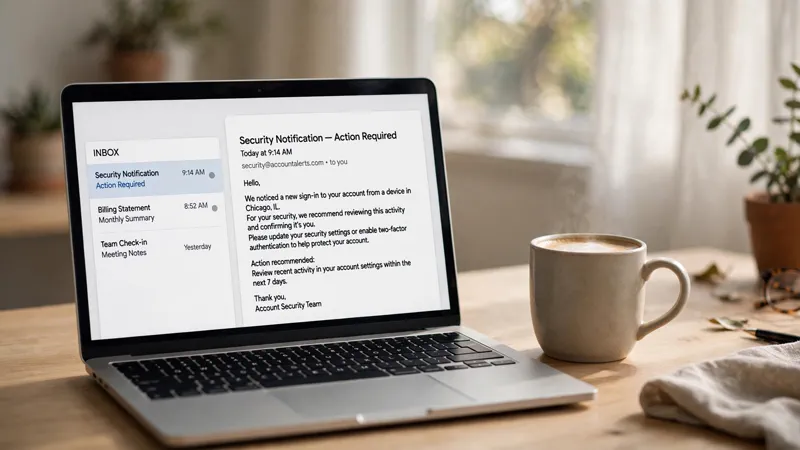
- The official sender: According to the FTC, notification emails come from no-reply@consumersentinel.gov. Bookmark that address in your memory.
- No fees, ever: The FTC says it never requires people to pay money or provide account information to receive a payment. If anyone asks for either, it is not the government.
One important note: you do not need to file a claim. If you are eligible, the FTC already has you on the list from Cleo’s records, and the process comes to you.
Watch out for the refund scams (they are already starting)
Any time the government sends money to millions of people, scammers follow the announcement like seagulls behind a boat. Searches for the Cleo refund email have already started spiking, which means the fake versions are coming too.
Here is how to tell the real email from a scam:
- The real notification comes from no-reply@consumersentinel.gov. Anything from a lookalike address, a random Gmail, or an unrelated company domain is fake.
- The FTC will never ask you to pay a fee to receive your refund, buy a gift card, or wire money anywhere.
- The FTC will never ask for your account login or bank information to release the payment.
- If you get a text or call demanding quick action, treat it as suspicious. The FTC communicates this by email and PayPal.
If you are unsure, go straight to the FTC’s own website and read its FAQ about the Cleo refund, or call the refund administrator, Rust Consulting Inc., at 877-788-4958. Do not click links from a message you did not ask for.
Why this case is bigger than Cleo
Cleo AI rode a wave that a lot of apps are still riding: millions of Americans now live paycheck to paycheck, and “instant money” apps have stepped into the gap that banks and credit cards used to fill. Earned-wage-access apps, cash advance apps, buy-now-pay-later services. The pitch is always the same: fast money, no hassle, small fee.
The Cleo case is the FTC putting a line in the sand for the whole category. Three themes in this settlement are showing up everywhere in consumer protection right now:
Advertised amounts have to be real. If your app promises hundreds of dollars to most users, most users need to actually get hundreds of dollars. Not a fraction of them, not the theoretical maximum, most of them.
“Instant” has to mean instant. Charging a premium for speed and then delivering standard speed is exactly the kind of hidden-fee trick the FTC has been chasing across industries.
Canceling has to be simple. The era of the subscription roach motel, easy to enter, impossible to leave, is ending one enforcement action at a time.
For context, the FTC said its actions returned more than $435 million to consumers in 2025 alone. The Cleo refund is one more entry on that list, but it is also a warning shot aimed at every other app selling fast cash to people who need it most.
What to do right now
If you have ever used Cleo AI, here is your short checklist:
- Search your inbox for emails from no-reply@consumersentinel.gov, including your spam folder. The notification window runs through October 26.
- Make sure your PayPal account is accessible. Payments start October 27. If you changed your email since using Cleo, log in and check.
- Redeem within 30 days once the payment lands. Set a reminder if you need to.
- Forward anything suspicious to the FTC. Never pay anyone anything to “release” your refund.
- Do not cancel anything yet. If you still have a Cleo subscription running, this is a good moment to audit it. The settlement now requires the company to get your express, informed consent before charging and to give you a simple way to cancel, but do not assume your old plan updated itself.
And if you never used Cleo? The lesson travels well. Any app that promises instant money is worth a hard look at the fine print: what does “up to” really mean, what does “instant” really cost, and how many taps does it take to leave? The FTC just spent $15.8 million reminding everyone to ask those questions first.
Sources: Federal Trade Commission press release, October 8, 2026; USA Today coverage of the Cleo AI refund, October 12, 2026.