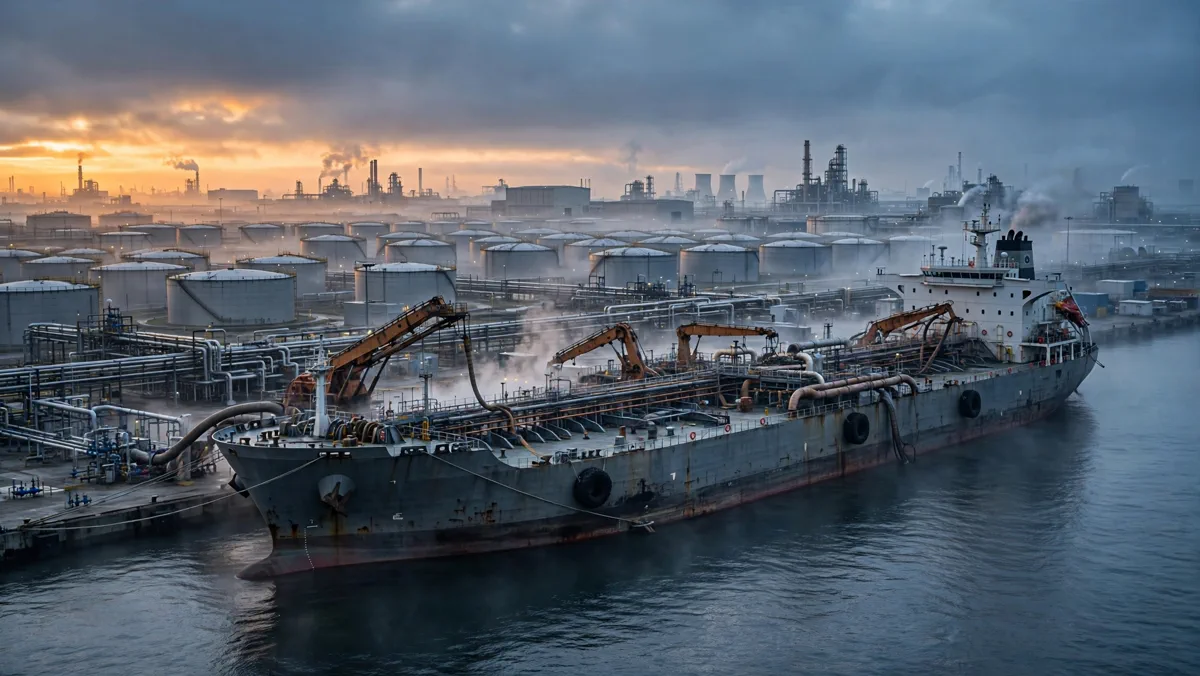
It has been less than a month since Donald Trump signed a law threatening 100 percent tariffs on countries that buy Russian energy. On Friday, he picked up the phone, called Vladimir Putin, and arranged to buy Russian diesel.
If that sounds like a contradiction, it is. And that is exactly why this story is worth understanding.
In a Truth Social post on October 9, Trump announced what he called a “highly successful discussion” with the Russian president. The result: Russia will pump up to 4.8 million tons of diesel into the American and global marketplace, in a series of deliveries stretching into next year. The White House billed it as a “major diesel deal” that will send fuel prices falling fast.
Volodymyr Zelensky had a different word for it. He called it a gift.
The Deal on Paper
Trump’s own post laid out the numbers in four tranches. Russia will “immediately” supply more than 300,000 tons of diesel, followed by another 500,000 tons in November. Then comes 1 million tons “immediately thereafter.” After that, depending on what Trump described as “the condition of their diesel refineries,” Moscow would deliver a further 3 million tons “within a short period of time.”
Added together, the total comes to roughly 4.8 million tons. Russia’s deputy prime minister for energy put an even bigger number on it, suggesting volumes could reach 3 million tons per month.
Trump framed the whole thing as a win for ordinary Americans. “Lower prices for Americans, especially our Great Farmers, Ranchers, and Truckers, is my Greatest Priority,” he wrote. In the same post he predicted diesel prices would be coming down “IN RECORD NUMBERS, AND FAST,” adding that between America’s claimed control of the Strait of Hormuz and the Russian deal, the drop would be dramatic.
The Sanctions Waiver That Came With It
Here is the part that turned heads in Washington. The same afternoon, the Treasury Department’s Office of Foreign Assets Control issued a temporary general license allowing the sale, delivery, and importation of Russian-origin diesel, including into the United States, through 12:01 a.m. EDT on April 7, 2027.
In plain English: the sanctions meant to stop Russian energy sales were paused to make this deal work.
It was not the first time this year that the administration has eased pressure on Russian energy to cool prices. An earlier effort was described by NBC News as largely a failure. And just weeks ago, Trump signed legislation designed to make it harder for Russia to profit from oil and gas exports, including steep tariffs on the biggest buyers of Russian energy. Now the same president is arranging to become one of those buyers.
Kyiv Is Furious
The Ukrainian president did not mince words. Speaking on Friday night, Zelensky condemned the arrangement, accusing Washington of showing weakness and describing the sanctions easing as a gift to the Kremlin.
“This only fuels Putin and enables him to wage more war,” he said. In Russia, he added, “they take any easing of pressure to mean they can keep fighting, to mean they can keep dropping bombs on cities.”
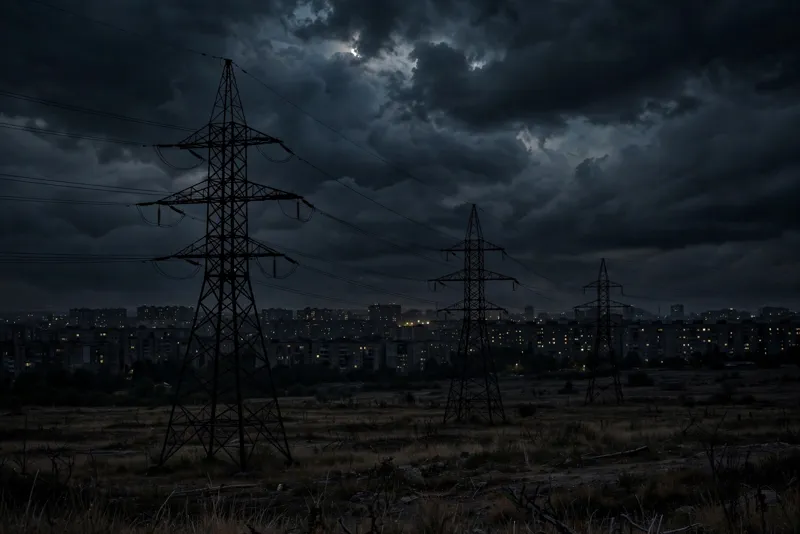
Hours later, after strikes were reported on residential buildings in the southeastern city of Zaporizhzhia, Zelensky claimed Russia had “expressed its thanks for the lifting of sanctions on diesel exports” by dropping glide bombs on apartment blocks. Major power outages were reported across Kyiv on Saturday as Russian attacks continued.
European capitals reacted with dismay too. The announcement landed just as Ukrainian and American delegations were set to meet in Miami under European observation to explore possible paths toward ending the war.
Can Russia Actually Deliver?
This is where the story gets shaky, and where Trump’s own caveat matters.
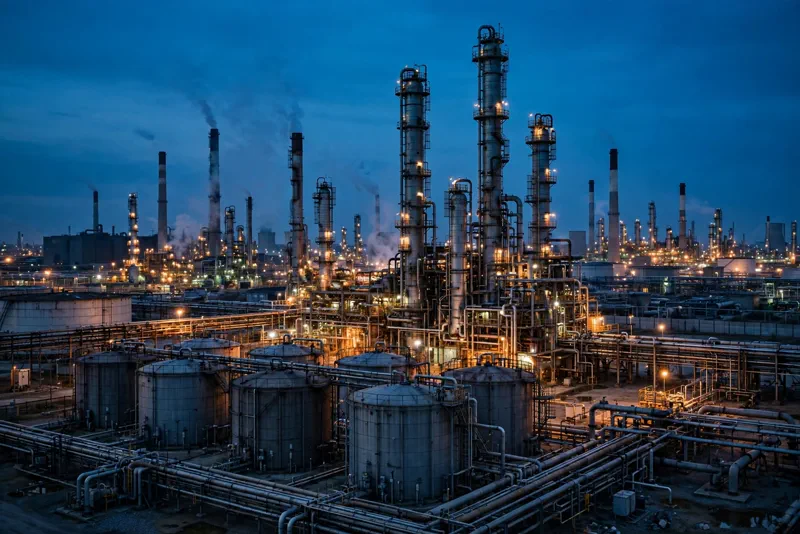
Ukraine has spent months pounding Russian refineries with drone strikes. The Kremlin imposed a diesel export ban in July in response and extended it through the end of October. The International Energy Agency estimates that Russian diesel production has fallen by nearly 30 percent.
Trump’s fine print acknowledged the problem: the big final tranche of 3 million tons depends on “the condition of their diesel refineries.” On September 14, Trump claimed Zelensky and Putin had agreed to stop targeting each other’s energy infrastructure. Zelensky promptly denied it, telling CBS News he would halt strikes on oil and gas targets only if Russia did the same.
Analysts are openly skeptical. Tim Armitage, an investment strategist at Quilter Cheviot, called the numbers Trump cited “relatively small” against the scale of global diesel demand. Russia may be agreeing to sell fuel it cannot easily produce.
Why This Is Happening Now
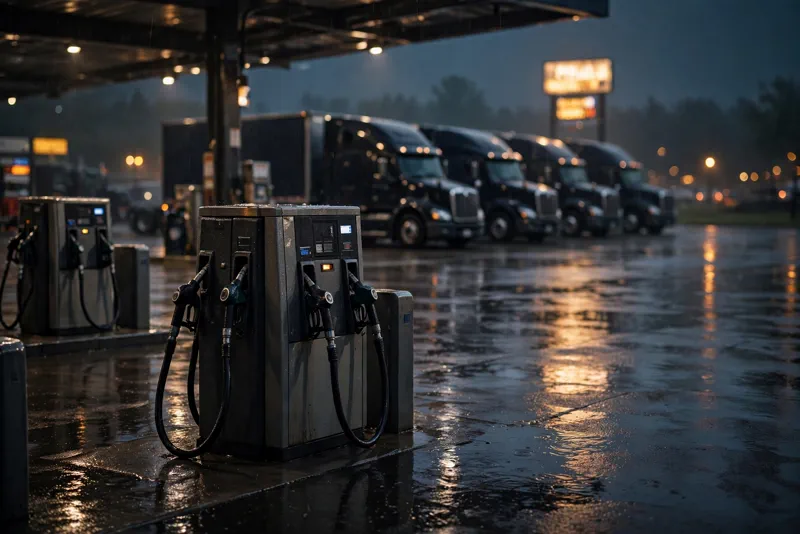
The timing is not subtle. Diesel prices in the US have doubled since the start of the Iran war, and the midterm elections are roughly four weeks away. Fuel costs have become one of the biggest campaign issues, and irate consumers have been plastering gas pumps with stickers blaming the president for high prices.
Read that way, the diesel deal is a straightforward bet: cheaper fuel now is worth the diplomatic cost of dealing with Moscow later. The sanctions waiver runs through April 2027, which means the arrangement is designed to last well past election day, but its political purpose is immediate.
The White House has not said what, if anything, the US is giving Russia in return. Putin’s own statement was noticeably thinner than Trump’s: the Russian leader said he told Trump of Moscow’s “readiness to supply oil and petroleum products to the US and global markets,” giving no start date and no volume. Putin’s envoy Kirill Dmitriev called it a “successful call” and said Russia-US energy cooperation “will benefit the world.”
What to Watch Next
Three things will decide whether this deal is a breakthrough or a blip.
- Delivery: Do the first tranches of 300,000 and 500,000 tons actually arrive on schedule, or do the refinery problems make them fiction?
- Prices: Do US diesel prices actually fall “in record numbers,” or is the effect as small as analysts like Armitage expect?
- Backlash: How does Congress respond to a president who signs a sanctions law one month and suspends it the next? And does Ukraine’s anger change anything about the Miami talks?
For now, the facts are these: a deal was announced, a sanctions license was issued, Kyiv is furious, and nobody knows if Russia can deliver. Two weeks ago, buying Russian fuel was something America punished other countries for. Today, it is American policy.
That is the kind of reversal that does not happen quietly. And with the midterms four weeks away, it is not happening quietly now.
Related: more US News on VIDX Trends and our coverage of the Bronx ICE shooting that sparked days of protests.
Sources: Le Monde, The Times, Unbiased Headlines.