A hotel room in Naha. A 39-year-old woman found dead in the early hours of Saturday morning. And by Sunday, a 20-year-old United States Marine was sitting in Japanese police custody, arrested on suspicion of murder and robbery. Japan’s prime minister is calling the case “extremely brutal and heinous,” and she has already lodged a formal protest with Washington. This is the kind of story that keeps diplomats awake at night, and it is only just getting started.
Here is what makes this one different from the usual bad news cycle. This is not a policy disagreement or a trade spat. A young American service member is accused of killing a Japanese civilian on Japanese soil, and the suspect has denied the allegations. Every fact in this case is going to be fought over, in two languages, in front of two angry publics. So let us lay out exactly what we know, what is still unclear, and why Okinawa is the one place in Japan where a story like this can detonate.
What happened in Naha
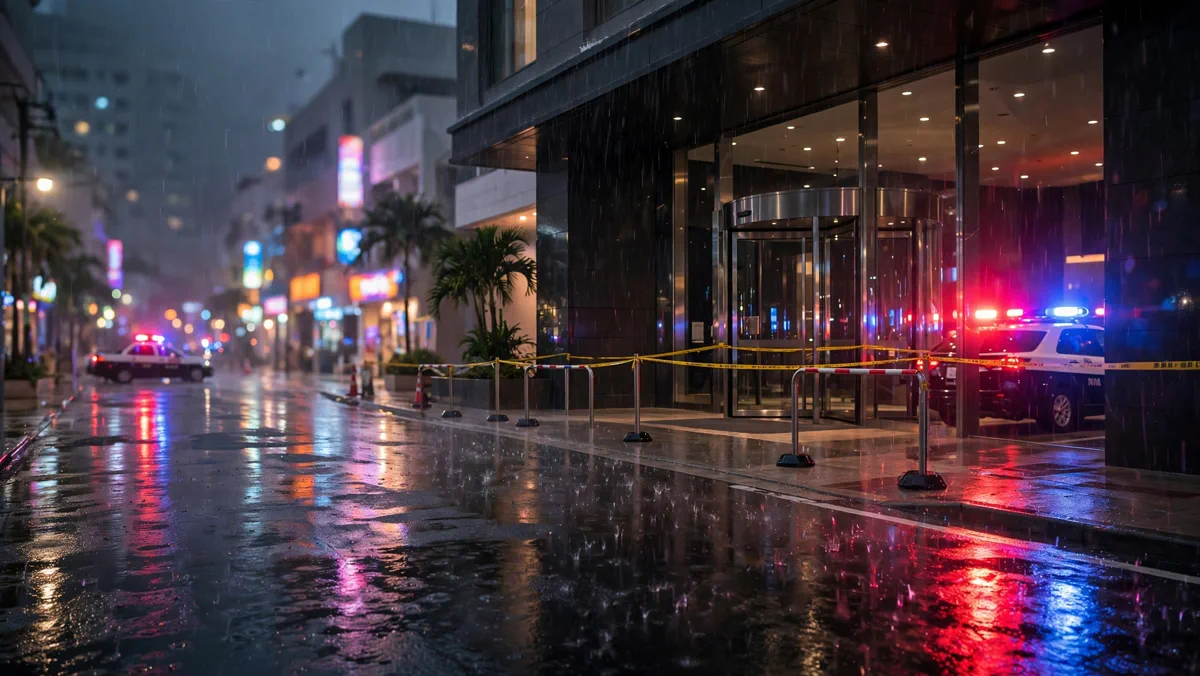
According to USA Today and a Reuters report carried by SRN News, police in Naha, the capital of Okinawa prefecture, discovered the body of Anna Yagi, a 39-year-old Japanese woman, in a hotel room in the early hours of October 3. She was pronounced dead at the scene.
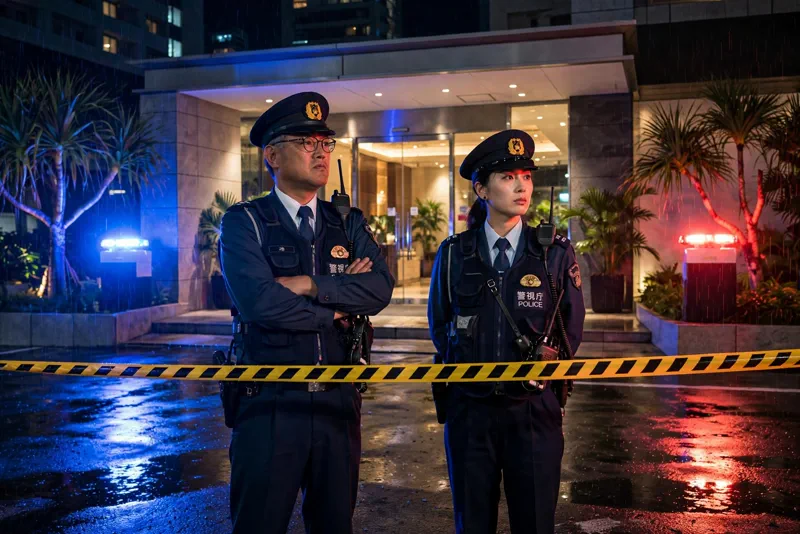
The next day, October 4, Japanese police arrested Devin Jacob Ballard, a 20-year-old lance corporal in the U.S. Marine Corps. Police allege that Ballard killed Yagi in the hotel on Saturday and took her wallet and backpack. Here is the part everyone will be watching closely: police say Ballard has denied the allegations.
That denial matters, and I want to be straight about it. An arrest on suspicion is not a conviction. Under Japanese law, police can hold a suspect for questioning while they build their case, and the facts as reported so far come from police statements, not a courtroom. What we know for certain is that a woman is dead, a Marine is in custody, and both countries are treating this as a major incident.
Who the suspect is
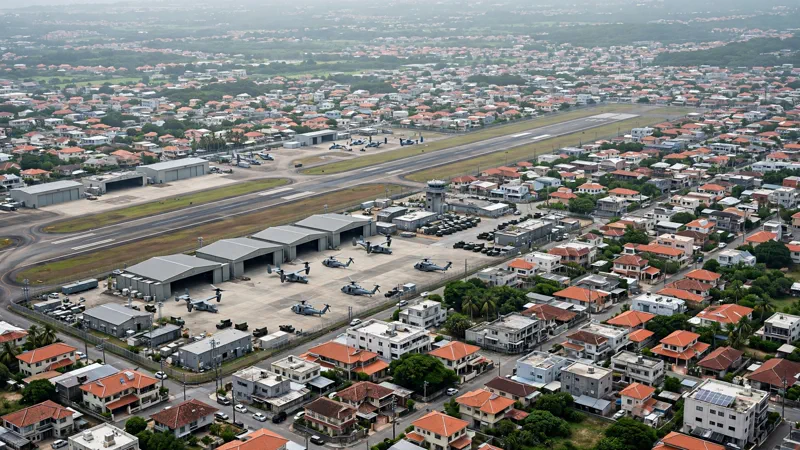
Ballard is assigned to the III Marine Expeditionary Force and is based at Marine Corps Air Station Futenma in Okinawa. That detail alone tells you why this story is about to get much bigger than one arrest. Futenma sits in the middle of a densely populated area of Okinawa, and the base itself has been the center of a bitter political fight for decades.
The Marine Corps said in a statement that it takes the allegations very seriously and expects every Marine to adhere to the highest standards of behavior. The III Marine Expeditionary Force wrote on X that it is “actively cooperating with Japanese authorities, in response to allegations of serious criminal actions by a Marine,” and confirmed the suspect is in the custody of local authorities.
So far, the U.S. Embassy in Tokyo has said it is aware that a service member is in custody following the death of a Japanese national in Okinawa. “We extend our sincere condolences to the victim’s family,” the embassy added. “As an investigation is underway to determine the facts of the case, the United States is communicating and cooperating with the Government of Japan and local authorities.” The Pentagon, for its part, did not immediately respond to requests for comment.
Japan’s furious response
Prime Minister Sanae Takaichi did not wait for the news cycle. She condemned what she called an “extremely brutal and heinous incident” and announced that Japan had lodged a strong protest with the United States.
“As the Government of Japan, we have lodged a strong protest with the U.S. side and firmly demanded maximum cooperation with the investigation, strict discipline among U.S. military personnel, and thorough measures to prevent the recurrence of such incidents,” Takaichi wrote in a post on X. In a separate statement, she called the incident “extremely regrettable” and said Japan was strongly seeking maximum cooperation with the investigation.
Read that language carefully, because it is doing heavy diplomatic lifting. “Strong protest” plus a demand for “strict discipline” is about as sharp as it gets without recalling an ambassador. Takaichi is under real pressure here. Okinawa’s voters have never loved hosting the bulk of America’s military footprint in Japan, and a case like this hands every critic of the bases a fresh reason to demand change.
Why Okinawa is always the flashpoint
To understand why this arrest is shaking Japan, you need to understand Okinawa. This small island chain carries a weight in the U.S.-Japan alliance that is wildly out of proportion to its size. Here is the short version:
- The numbers are lopsided. Most of the roughly 18,000 Japan-based Marines are stationed in Okinawa, a prefecture that makes up a tiny fraction of Japan’s land area. Locals have spent decades asking why they shoulder so much of the burden.
- The history runs deep. The United States held Okinawa from the end of World War Two until 1972, and the island was the site of one of the bloodiest battles of the Pacific war. The memory never fully faded.
- The resentment is specific. Residents have complained for years about aircraft noise, crashes, and the conduct of military personnel. It is not abstract. People live next to runways.
- 1995 still echoes. The rape of a 12-year-old Okinawan girl by three U.S. servicemen in 1995 sparked mass protests and nearly broke the alliance. Every incident since then is measured against that one.
- Futenma is the live wire. The base where the suspect was stationed sits in a crowded urban area. Takaichi’s government has been working to relocate some Marines from Futenma to a more remote facility at Henoko, and opponents want the troops moved out of the prefecture entirely. Reuters notes that this killing could complicate those efforts badly.
This is the context that turns a criminal case into a diplomatic crisis. It is also worth remembering that the U.S. military presence in the region is at a high pitch right now. Just yesterday we covered how America is going all in with a third carrier against Iran, and the Pacific posture is part of the same picture. When your forces are forward deployed at this scale, every local incident carries strategic weight.
What happens next
The immediate question is the investigation. Ballard is in Japanese custody, and Japanese police will now work to build their case while he maintains his denial. Expect the forensic details to matter enormously here: the hotel room, the timeline of Saturday, and whatever evidence connects the suspect to the scene. None of that is public yet.
The second question is diplomatic. Takaichi has demanded strict discipline among U.S. military personnel and thorough preventive measures. In past incidents, that has translated into curfews, liberty restrictions, and mandatory conduct briefings for troops in Okinawa. Watch for the III Marine Expeditionary Force to announce something along those lines within days.
The third question is political, and it is the one with the longest fuse. Opponents of the U.S. bases in Okinawa will use this case to argue that the Futenma relocation does not go far enough, that the troops should leave the prefecture entirely. Supporters of the alliance will argue that one suspect’s alleged crime should not decide basing policy. Both sides will be loud. Neither will be subtle.
And there is a fourth question that nobody in Washington wants to say out loud: what does the Pentagon do if Japanese prosecutors bring formal murder charges against an active-duty Marine? The status of forces agreement between the two countries has rules for exactly this situation, but rules on paper and politics on the ground are two different things.

The bottom line
A 39-year-old woman is dead in Naha. A 20-year-old Marine says he did not do it. Japan’s prime minister has formally protested to the United States. And an island that has hosted America’s Marines for generations is bracing for another fight about whether they should be there at all.
Stories like this never stay local in Okinawa. They never have. The 1995 case reshaped the alliance. The Futenma fight has outlasted prime ministers. This one is still in its first 48 hours, and already it has a formal protest, an embassy statement, and a suspect denying everything. Keep an eye on what Okinawa police say next, because that is what will decide whether this becomes a tragedy with a trial or a crisis with a body count of its own. We will keep following it in our US News section as it develops.