Netflix finally gave the world its first real glimpse of what Greta Gerwig is doing with Narnia, and the internet did not say thank you. The Barbie director has cast Meryl Streep, yes, that Meryl Streep, as the voice of Aslan, the great lion at the beating heart of C.S. Lewis’s The Chronicles of Narnia. Within hours, a Change.org petition was demanding Gerwig be removed from the franchise, Christian commentators were calling the choice everything from confusing to blasphemous, and one of the most prominent voices in family entertainment warned Netflix it could lose well over a hundred million viewers. For a movie that does not reach theaters until February 2027, that is quite a first impression.
If you want more stories like this, you can browse all of our coverage in the Entertainment section.
The casting nobody saw coming
Streep, 77, will voice Aslan in Narnia: The Magician’s Nephew, which Gerwig is writing and directing for Netflix. The film adapts Lewis’s 1955 novel, the sixth book published but the first in the chronological story of Narnia, and it will be the first time this particular book has ever been put on screen. The plan, as it stands, is a theatrical release on February 12, 2027, followed by a Netflix streaming debut on April 2, 2027.
On paper, the casting looks like a coup. Streep is arguably the most decorated screen actor alive, Gerwig is coming off the billion dollar triumph of Barbie, and Netflix has been hungry for a fantasy franchise of its own ever since it bought the Narnia rights. But Aslan is not just another voice role. To tens of millions of readers, he is something close to sacred, and that is where the trouble started.
Why this lion’s voice matters so much
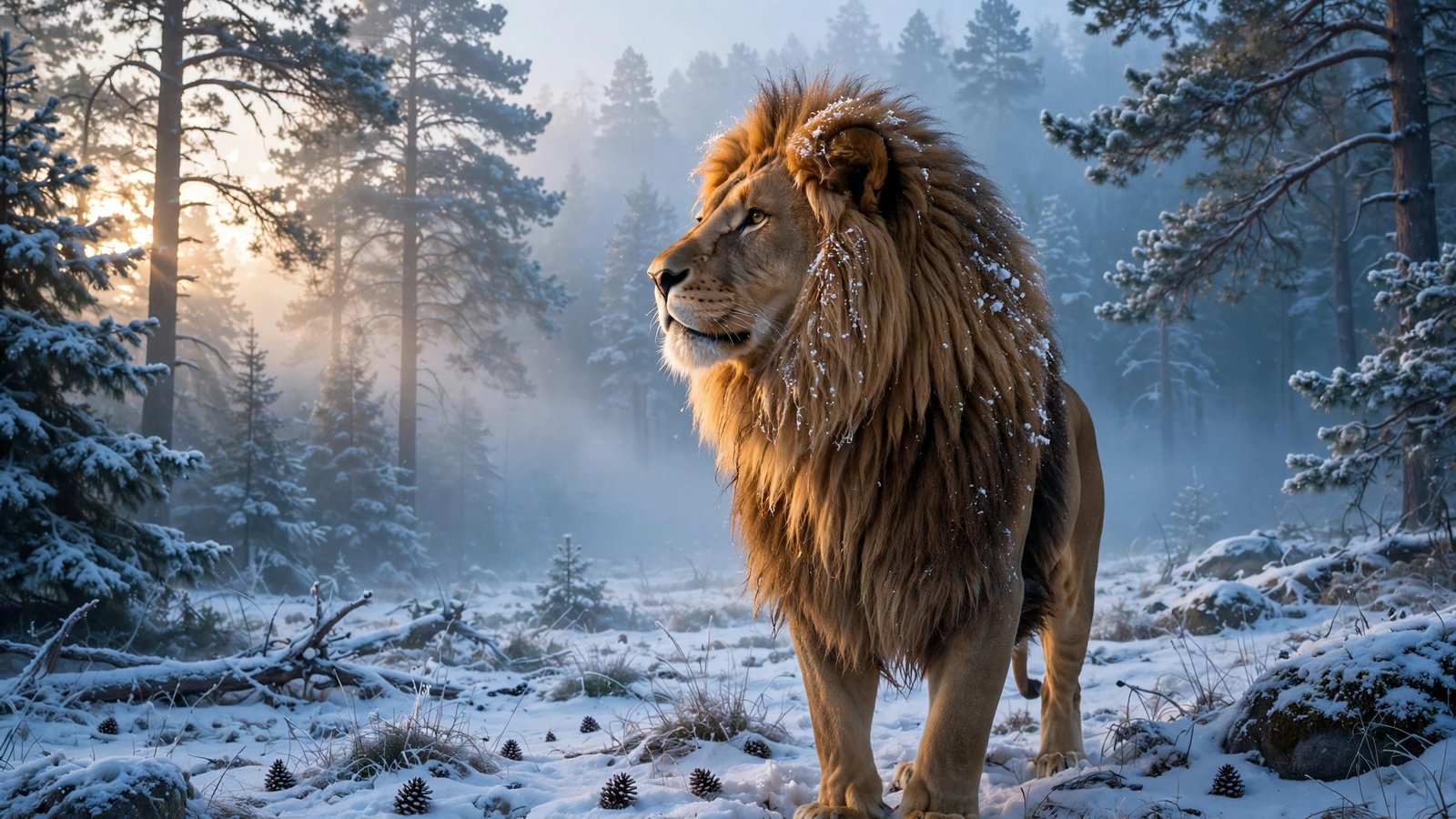
To understand the uproar, you have to understand what Aslan is. Lewis was blunt during his own lifetime: Aslan was never meant to be a mere symbol or mascot. He described the lion as Christ himself, as he might appear and sound in a world of talking beasts and living trees. In The Lion, the Witch and the Wardrobe, Aslan is betrayed, killed, and rises again. Readers have never needed a footnote to get the point.
That is why the voice has always been treated with such care. When the 2005 film was cast, the team auditioned dozens of British actors and still was not satisfied with 24 hours to go. Casting and voice director Ned Lott later recalled the pressure of the moment: “It’s like casting for the voice of Jesus, or the voice of God. Like, in my mind, it was very important that the character of the books, and the integrity of the books, matched the voice, and even the actor.” The part eventually went to Liam Neeson, who voiced Aslan across all three of the 2000s Narnia films and, for a generation of moviegoers, simply became the lion.
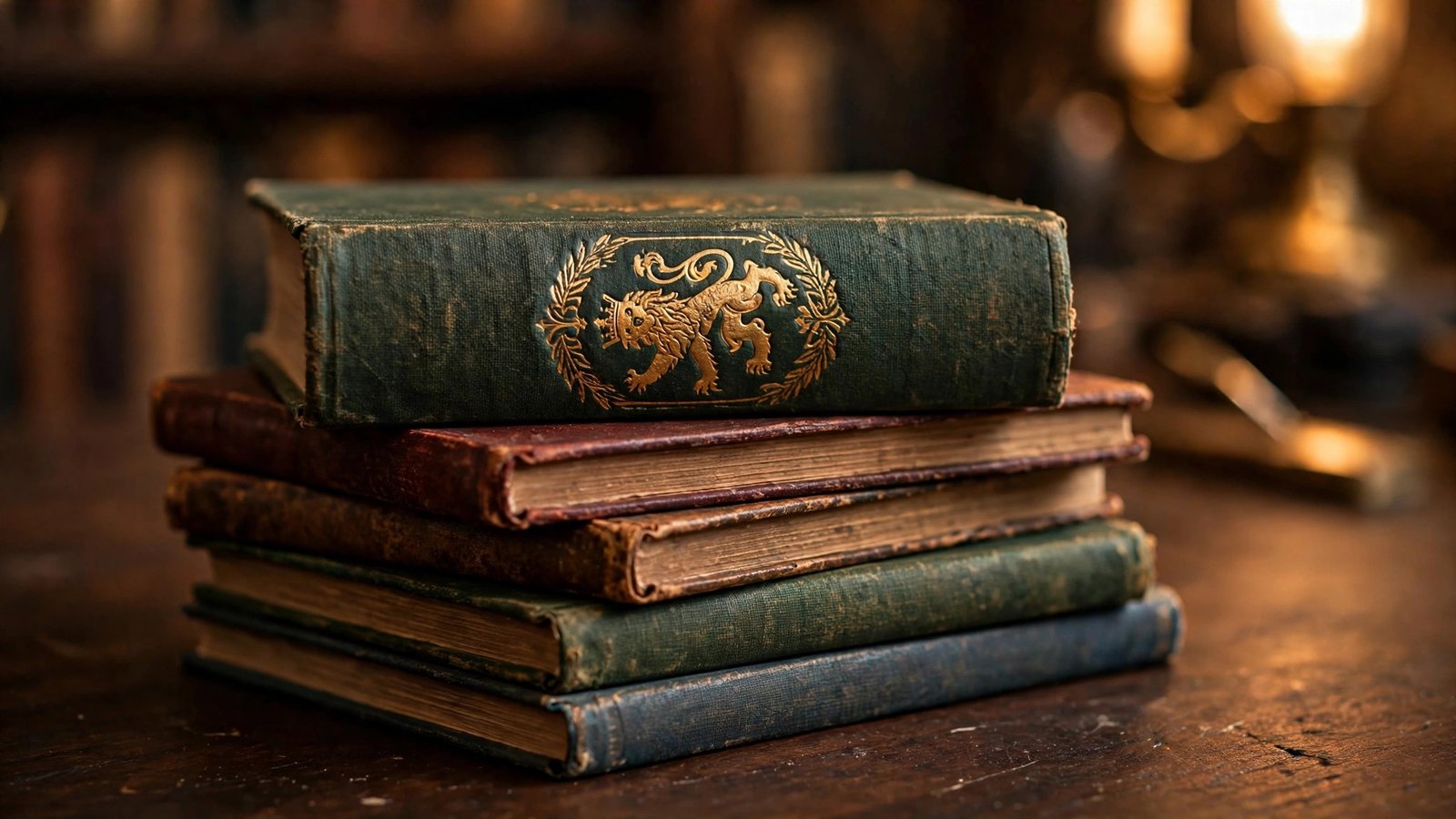
So when Gerwig announced that the new Aslan would be voiced by a woman, and not just any woman but Hollywood royalty, a lot of fans heard something very different from a bold artistic choice. They heard a rewriting of the character’s identity.
The backlash, in their own words
The reaction has been swift and, in some corners, furious. Dr. Ted Baehr, the founder of Movieguide and a veteran of faith based media, told Fox News Digital that the decision could cost the film a staggering share of its natural audience. “Most of them know that Aslan is a Christ figure,” he said, arguing that the change “is going to alienate a lot of Christians.” His estimate of the damage: somewhere between 110 and 140 million Christians who simply may not show up.
Baehr went further, claiming that members of Lewis’s own family are upset. He said he recently visited the family of Lewis’s stepson, 80-year-old Douglas Gresham, and reported that “C.S. Lewis would be turning over in his grave. His family is very upset about it, and I think we should be upset about it.”
On social media, the temperature has been even higher. One widely shared post called the casting “a slap in the face to the genius of Lewis” and “a deliberate mockery of Christianity.” Others labeled it “blasphemous” or accused the production of “profaning Christ with the divine feminine.” A Change.org petition titled “Demand Netflix to replace director of the Narnia films” went up on Friday, explicitly calling for Gerwig to be replaced on future Narnia installments over the theological implications of the choice. You can read the full breakdown of the criticism in Fox News Digital’s report on the controversy.
Gerwig’s side of the story
For her part, Gerwig has been clear that this was no accident and no committee decision. She told Empire magazine that she knew exactly the kind of instrument she wanted for the role. “I wanted someone who was profound but not pretentious, who had gravitas but not morose self-seriousness,” she said. “Someone who could communicate depth and pathos as well as joy and delight. I wanted someone who was older than 70, so there was a wisdom of experience, but who also had the capacity of fresh wonder, like a child. And also to be one of the greatest actors to ever do it. That list is not a long one.”
She has also described the film itself in terms that suggest she is not making the cozy, reverent Narnia of anyone’s childhood. Gerwig envisions the movie as a “rock opera,” and has said that “Narnia is literally a world made out of music. It is a world sung to life by Aslan.” She credits David Bowie, Paul McCartney, David Gilmour, Pete Townshend, Jimmy Page, and Robert Plant with saving her life, which tells you something about the sonic landscape she is imagining.
It is also worth noting, as the Christian Post’s reporting points out, that Gerwig grew up as a Unitarian Universalist and describes herself as a churchgoer. Baehr himself noted that he once spoke briefly with Gerwig, that his 1979 animated Narnia was her favorite version as a young woman, and that she simply “comes at it from a different point of view.” In other words, this may be less a director who does not understand the material and more one who understands it and wants to sing it in a different key.
What happens now
The practical question is whether any of this still matters by February 2027. Movie controversies have a short half life, and Netflix has weathered louder storms. Fox News Digital said it reached out to Gerwig’s representatives at Creative Artists Agency and to Netflix for comment, and neither response, if one comes, is likely to reverse a casting decision this deliberate.
But the stakes are genuinely high. Netflix did not buy the Narnia rights for one movie. It wants a franchise, a fantasy universe to call its own, and franchises live or die on the devotion of their core fans. Baehr’s warning may be overstated, and boycott petitions rarely move box office numbers on their own, yet there is a real risk here that goes beyond opening weekend. If the audience that grew up on these books decides this Narnia is not their Narnia, no amount of rock opera can win them back.
Then again, Gerwig has been underestimated before. Plenty of people predicted Barbie would be a disaster, right up until it made more than a billion dollars and became a genuine cultural event. She clearly believes Streep’s voice can carry the weight of a lion who sings worlds into being. Come February 2027, we will all get to find out whether she was right, and whether the loudest argument about a casting choice in recent memory was a warning or just the sound of a fandom caring very, very much.