
Friday morning at 8:30 Eastern, the Bureau of Labor Statistics released the September jobs report, and the number was hard to ignore: the US economy added just 29,000 jobs last month. Economists had expected 84,000. It was one of the weakest hiring months of the entire rate cycle, and it landed in a market already on edge about inflation, energy prices, and a Federal Reserve that raised interest rates on September 16.
What the September jobs report actually says
The headline number tells most of the story: 29,000 nonfarm payroll jobs added in September, far below the 84,000 economists surveyed by Dow Jones had penciled in. The unemployment rate ticked up to 4.2 percent from 4.1 percent in August. The Bureau of Labor Statistics described both figures as having “changed little,” which is technically true and also beside the point. Direction matters, and the direction is softening.
The revisions were arguably worse than the headline. July was revised from a gain of 21,000 jobs to an outright loss of 10,000, and August was cut from 162,000 to 133,000. September’s gain also looks thin against the recent trend: the economy averaged just 45,000 new jobs a month over the prior 12 months, a pace that barely keeps up with population growth.
Under the hood, the details were mostly weak. Health care added 17,000 jobs, well below its recent average of 33,000. Financial activities lost 7,000 jobs, and hiring fell across government and information sectors. One economist summed up the mood as a “low-hire, low-fire environment”: companies are not laying people off in big numbers, but they have largely stopped bringing new people in.
There was one genuinely encouraging detail. The labor force participation rate rose to 61.8 percent, its highest level since May, as 485,000 more Americans entered the labor force. More people looking for work is a sign of confidence, even if the jobs are not materializing fast.
Mortgage rates dipped, but don’t call it relief

Here is the part that confuses people. A weak jobs report is usually good news for mortgage rates, because it cools expectations that the Fed will keep raising rates, and that helps bonds. And rates did dip on Friday. Mortgage News Daily’s daily 30-year fixed index fell to 7.49 percent on October 2, down from 7.54 percent the day before, a bigger single-day move than usual.
But step back and the picture is grim. That 7.49 percent is up 1.13 percentage points from a year ago, and it sits near the top of a 52-week range of 5.99 to 7.60 percent. Freddie Mac’s weekly survey, which moves more slowly, put the average 30-year fixed rate at 7.28 percent for the week ending October 1, up a full quarter point in a single week and the highest weekly average in nearly three years. The Mortgage Bankers Association’s contract rate for the week ending September 25 hit 7.30 percent, also a 52-week high.
The reason the dip was so small is the 10-year Treasury yield, the benchmark that mortgage rates follow. It slumped to about 5.16 percent in the minutes after the jobs report, then climbed back toward 5.30 percent by late Friday. Earlier in the week it had touched roughly 5.35 percent, a level not seen since 2001. Inflation and energy prices are keeping a firm floor under yields, and that floor is keeping mortgage rates far above last year’s levels.
Because lenders reprice with a lag, Friday’s bond rally may not even be fully reflected in the quotes borrowers see yet.
The housing market is frozen at both ends
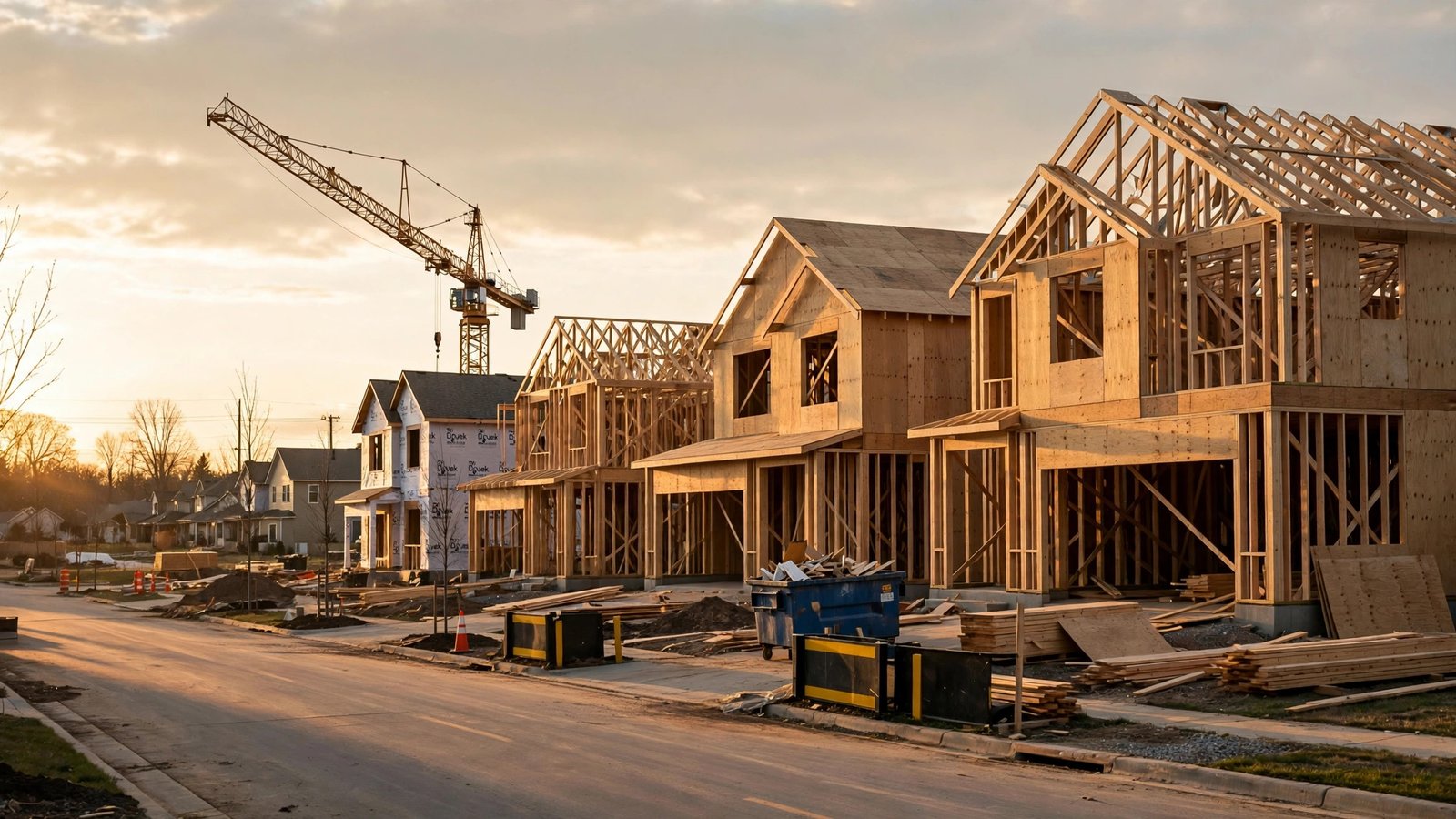
This is where the jobs report meets real life. The housing market is being squeezed from both sides: a sluggish labor market on one end and punishing borrowing costs on the other. The numbers from September show a market going nowhere fast.
Pending home sales fell 4.1 percent year over year in September, the largest drop since March 2025, according to Realtor.com’s analysis of the employment report. The share of active listings with price cuts rose to 20.8 percent, the highest September reading since 2018 and the highest for any month since October 2022. Sellers are increasingly having to meet buyers where they are on the monthly payment.
To see why, consider what the rate jump did to buying power. Mortgage rates rose 62 basis points just since the start of September. On a budget of $2,000 a month for principal and interest, that works out to roughly $19,000 less house than you could afford a month ago. A deal that penciled out in August may not pencil out today, especially for first-time buyers working within a fixed budget.
Demand signals confirm it. The Mortgage Bankers Association reported total mortgage applications fell 6.0 percent in the week ending September 25, with both purchase and refinance activity down. Meanwhile, existing homeowners remain locked in: millions are sitting on mortgages under 4 percent from previous years and refuse to trade them for a 7 percent loan, which keeps inventory tight even as demand fades.
And yet prices are not crashing. Annual home price growth was just 1.4 percent in July, according to data company Cotality, but it was still growth. More homes listed, fewer selling, prices barely moving: a standoff, not a collapse.
What this means for the Fed’s October meeting
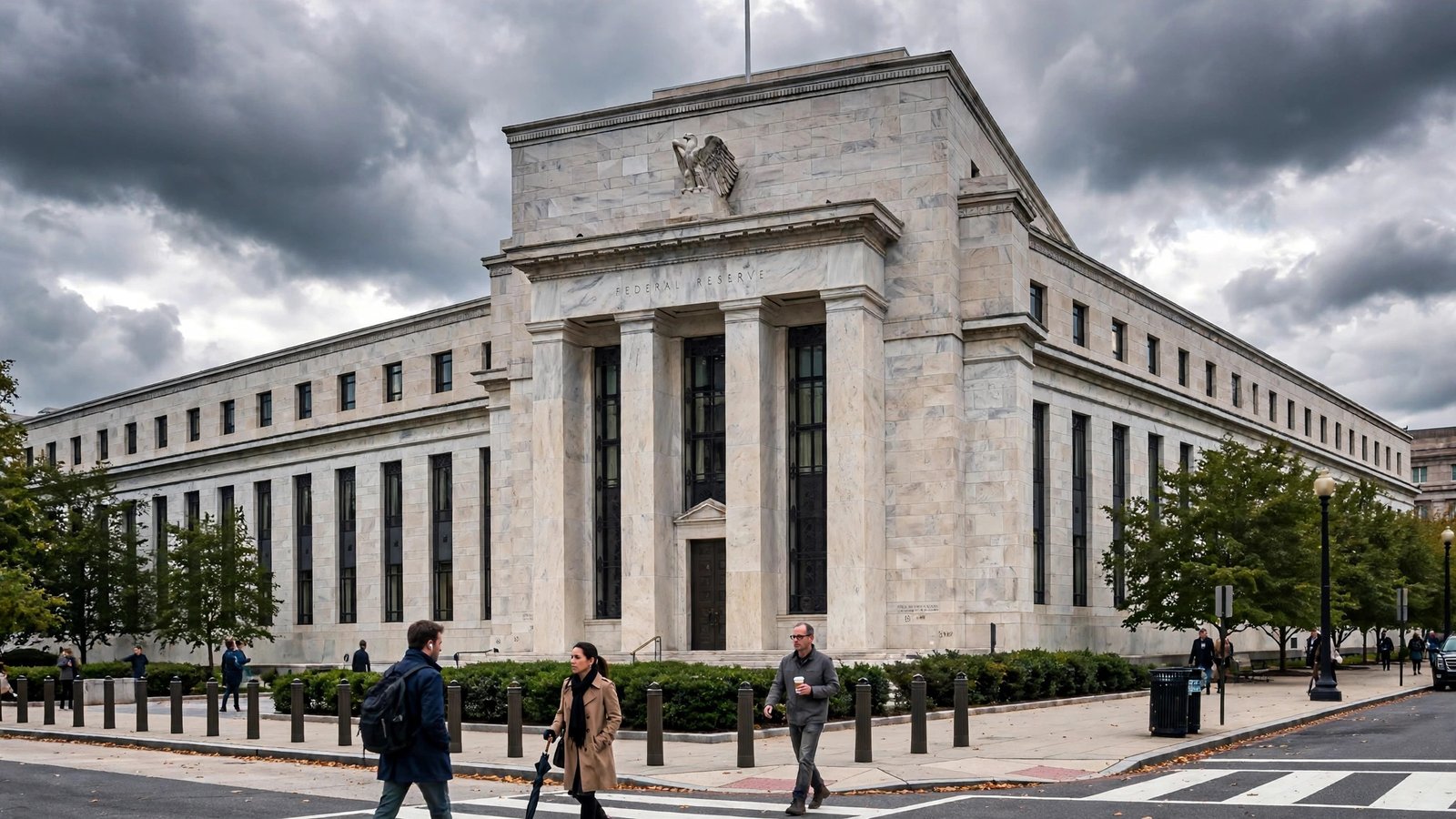
All of this feeds into one question: what does the Federal Reserve do at its October 27-28 meeting? The Fed raised rates on September 16, and before Friday, a growing number of traders were betting on another hike this month. The weak jobs report took air out of that bet.
According to CME FedWatch data cited by Investopedia’s market coverage, traders now see roughly a 17 to 23 percent chance of an October rate hike, down from about 36 percent a week earlier and as high as 64 percent the week before that. Market strategist Mohamed El-Erian said the report should help ease expectations of an October move. Stocks rallied on the news, with the Nasdaq hitting a new intraday high on Friday.
But nobody should read this report as a signal that rate cuts are coming. Unemployment at 4.2 percent is still low by historical standards, and inflation remains above the Fed’s 2 percent target. The central bank is stuck: hiking further risks breaking a fragile labor market, while standing still risks letting inflation re-accelerate. For borrowers, the practical takeaway is simple. Do not plan your finances around a rescue from the Fed that may not arrive.
What to do with your money right now
Headlines are interesting. Your next move matters more.
If you are buying: get pre-approved and know your real monthly payment at today’s rates, not last spring’s. If you lock a rate now, ask your lender about a float-down option in case rates ease. Compare APR, not just the interest rate, because fees change the math. And negotiate: with one in five listings taking price cuts, sellers are more flexible than they have been in years.
If you are selling: price to this market, not to 2021. The data says buyers respond to realistic pricing and seller concessions, not to wishful thinking. A home priced right still moves; a home priced for the old market sits.
If you are thinking about refinancing: run the numbers honestly. With rates near 52-week highs, most homeowners who refinanced in recent years have nothing to gain right now. The exception is anyone with an adjustable rate resetting soon, and even then, the math has to clear by a wide margin.
Everyone else: this is a low-hire labor market, which means losing a job hurts more than usual because finding the next one takes longer. If your emergency fund is thin, building it back up matters more than market timing. And take a hard look at high-interest debt. A quarter-point move by the Fed changes the interest on a $6,000 credit card balance by barely more than a dollar a month. The balance itself, at 22 percent, is the real problem. For more on navigating days like this, browse our Money section.
What to watch next
The story is not over. The Fed meets October 27-28, and its decision will hinge on the inflation and jobs data that lands between now and then. The next employment report arrives in early November.
The big picture is this: hiring has slowed to a crawl, borrowing costs are near multi-year highs, and the housing market is frozen in a standoff between stretched buyers and stubborn sellers. The households that come out fine will not be the ones waiting for rates to rescue them. They will be the ones who plan around the numbers as they are, keep a cash cushion, and make their move when the math works.