When a Russian drone slammed into a Coca-Cola factory outside Kyiv last month, Volodymyr Zelensky did not mince words. “Coca-Cola has become such an enemy to them that they are burning it down with their Shaheds,” the Ukrainian president said in his nightly address. “This is a clear signal from Russia to America.”
The Russians cannot possibly be unaware that this is an American enterprise, he added. That was September 3. Since then, the hits on American business in Ukraine have kept coming, and Washington’s response has been something close to silence.
The strikes on the board so far
Here is what is confirmed, pieced together from company statements, CNN reporting, and Zelensky’s own accounts.
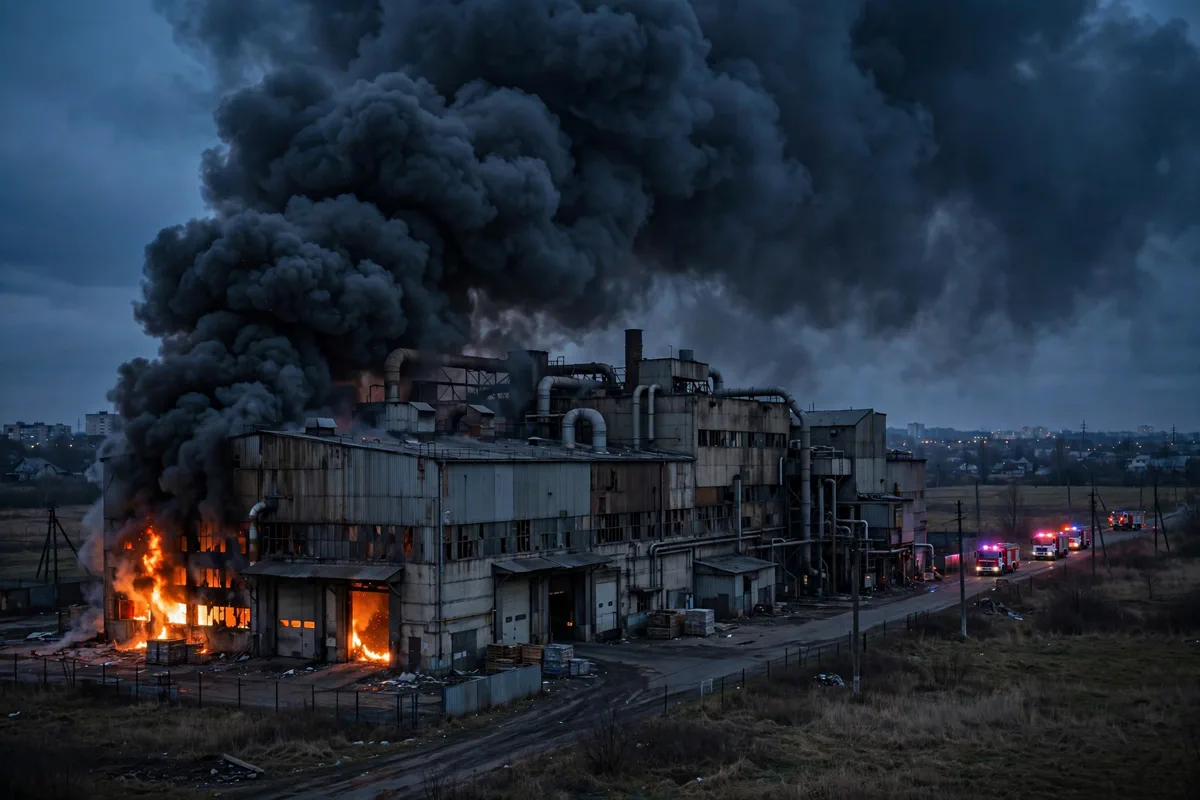
Coca-Cola, outside Kyiv, early September. A Russian drone struck a Coca-Cola bottling plant in the Kyiv region. Zelensky used his nightly video address on September 3 to call it out directly, describing the Iranian-designed Shahed drone and the message he believed it carried. No casualties were reported, but the symbolism was hard to miss.
PepsiCo, Mykolaiv region, late August. PepsiCo acknowledged in a company statement that a production facility in the southern Mykolaiv region was damaged in a strike. Again, no casualties. Again, an unmistakable American brand.
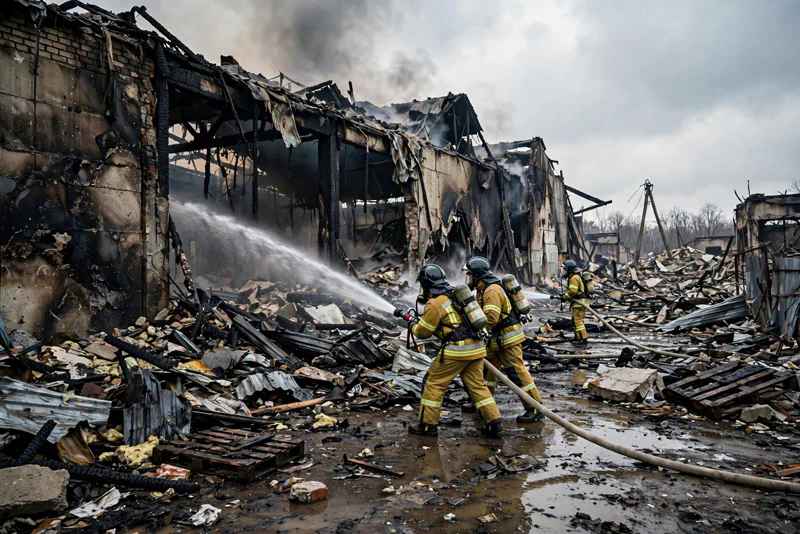
McDonald’s, Kyiv region, September 25. This one hit close enough to see in photographs. Firefighters worked at the site of a warehouse used by McDonald’s in the Kyiv region after a Russian drone strike, the smoke captured in Reuters images. McDonald’s Ukraine confirmed that a warehouse operated by one of its logistics partners in the Kyiv region was damaged in the drone attack. As a result of the damage, the company’s restaurants across Ukraine began offering a reduced menu. Zelensky later said on X that Russia used “an attack drone” to destroy the warehouse: “An attack drone against ordinary food products.”
And it goes beyond the big names. Andy Hunder, the president of the American Chamber of Commerce in Ukraine, told CNN that facilities belonging to some of America’s most notable brands have been damaged by Russian missiles and drones, and he named Coca-Cola, PepsiCo, McDonald’s, and Oreo.
Separately, an AFP photograph from May 27 showed a McDonald’s restaurant facade near the Lukianivska metro station in Kyiv with its logo damaged and melted by Russian strikes. The brand’s physical footprint in the country has been taking hits for months.
“They keep hitting them. We are not seeing any response.”
Hunder’s words to CNN were blunt, and they are the reason this story is not just about broken warehouses. “This is a direct hit with drones and missiles, and they keep hitting them,” he said. “It is sending a message that they are targeting American business. We are not seeing any response from the White House.”
“We need this to stop because these are American interests, American money, and American investors that are being hit and are being targeted,” he added.
He also stressed that this is a different level of escalation. “Although Russia has tried to deter successful American business in the past, it is nothing we have seen like over the last months,” he told CNN. The strikes are not only hitting American factories and logistics hubs. According to Zelensky, Russia’s campaign has widened to American and other businesses, data centers, and internet providers. “For Russia, ordinary life in and of itself is simply a target,” he wrote.
Now, a fair caveat. Damage to a facility associated with an American company does not automatically prove it was deliberately chosen because of its American ownership. Each incident has to be weighed on its own facts. But the pattern, four marquee American consumer brands named by the Chamber of Commerce chief, plus the targeting of data centers and internet providers, makes the coincidence theory harder to sell. That is Zelensky’s read, and it is Hunder’s read.
The silence on the American side
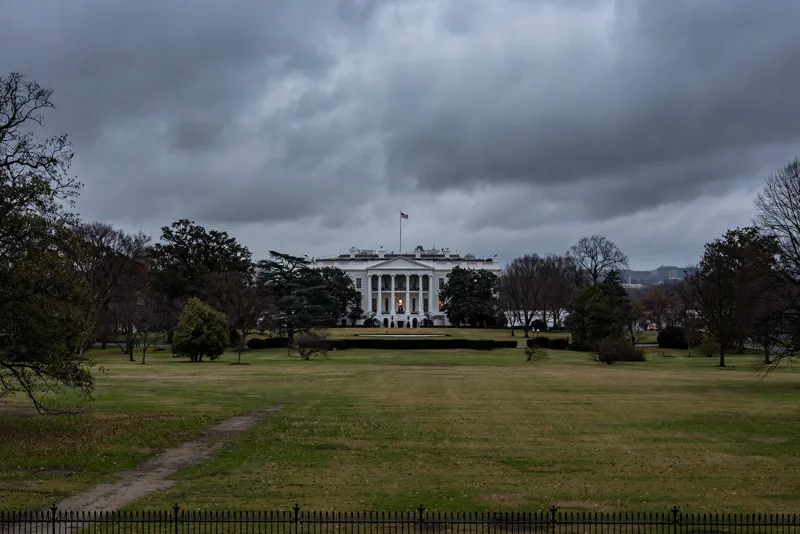
What makes this story burn is the contrast. While Russian drones hit American factories in Ukraine, the Trump administration has been ratcheting up pressure on Kyiv to stop striking Russian refineries, arguing those Ukrainian strikes are harming American consumers by pushing fuel prices higher. Last Friday, the president announced a deal to waive sanctions and purchase diesel from Russia, a move that flew in the face of US law. The administration has also threatened to restrict intelligence sharing and munitions to Ukraine if Kyiv does not stop those refinery strikes, according to sources who spoke to CNN.
So the scorecard reads like this: Ukrainian strikes on Russian oil facilities get sanctions waivers, diesel deals, and public scolding. Russian strikes on American factories in Ukraine get… a statement from an unnamed White House official saying the president “wants the war to stop entirely so the senseless killing ends” and remains “optimistic” about a peace deal.
To be fair, the administration has a record on this kind of thing. Back in August 2025, Trump spoke out publicly when asked about a Russian strike on a US electronics factory in Ukraine, saying he had told Vladimir Putin he was “not happy about it.” But this time around, with four American consumer brands on the target list, the same kind of public pushback has not materialized.
Hunder says he is struggling to understand it, particularly from an administration that has portrayed itself as deeply pro-US business. “Any company, any business, wants to have some sort of protection,” he told CNN. “You would expect your government to stand up in your corner and fight the fight with you, especially if it is a foreign military that is attacking the American companies.”
The Chamber has tried to get Washington’s attention through the usual channels. Hunder told CNN that the Chamber meets with visiting US lawmakers from both parties in Kyiv and has asked them to raise the matter with the White House. Several Democratic lawmakers have publicly called on the administration to do more to protect American businesses in Ukraine and to call out Moscow’s actions. And last month, the Chamber sent a message seeking a meeting with Steve Witkoff and Jared Kushner, the two men at the center of the administration’s Ukraine diplomacy, to update them on the state of US business in Ukraine, including the latest hits on American business. “We did not get any response on that,” Hunder said.
Why companies are afraid to talk
One detail from the CNN reporting explains why this story stayed quiet for so long. “There is not a consensus among the US businesses on the ground about how much they want to talk publicly about being hit, or disclose the fact that they have been targeted multiple times,” a former senior State Department official told CNN.
Hunder confirmed the tension. “Some businesses do want us to raise this,” he said, but others “are treading very carefully.” You can see why. When your factory sits inside a war zone and you say the word “targeted” out loud, you are admitting something about your future risk. Companies are calculating, plant by plant, whether speaking up buys protection or just paints a bigger target.
A former senior State Department official gave CNN a bleaker read on why the silence persists. In official Washington, the official said, there is a sense that the only people allowed to talk about Ukraine are Witkoff and Kushner, and everyone else is expected to stay out of it. Getting a rationale back for why Washington was silent about attacks on American businesses, the official added, “is not something that people can expect.”
What happens next

Ukraine is using these attacks as another argument for stepping up defense support, the logic being that better air defenses would shield American companies on the ground too. The Chamber’s lobbying continues. The White House has given no public sign of a change in posture.
Three things are worth watching. First, whether the pattern of strikes continues into the winter, when energy infrastructure becomes the obvious target set and American-owned facilities could get swept up in wider campaigns. Second, whether any Republican lawmakers join the Democrats who have already called for the administration to respond, because a bipartisan push is the only kind of pressure that has moved this White House on Ukraine so far. Third, whether the companies themselves stay quiet. The longer the “treading very carefully” posture holds, the easier it is for everyone in Washington to keep looking the other way.
Zelensky framed the Coca-Cola strike as a message to America. The question now is whether America intends to answer it at all.
Sources: CNN reporting by Jennifer Hansler (October 14, 2026); statements from McDonald’s Ukraine and PepsiCo; Zelensky’s September 3 nightly address and his posts on X; American Chamber of Commerce in Ukraine president Andy Hunder; Reuters photography; AFP photography.
Related on VIDX: Trump Just Bought Millions of Tons of Diesel From Putin, and Zelensky Calls It a Gift | More in US News