Emil Barr had already signed the lease. A 23-year-old millionaire from Ohio, founder of a startup that helps laid-off workers find jobs faster, he was going to move to San Francisco first, settle into the city, and then bring his whole company to California. The boxes, at least metaphorically, were packed.
Then he learned about Proposition 40. And he walked away.
“I just didn’t feel welcomed as an entrepreneur,” Barr told The California Post, explaining why he scrapped the move. “Why would I move to a state where the government is basically, first of all, villainizing entrepreneurs?”
Here is the thing: Barr is not even a billionaire. Prop 40 targets people with more than a billion dollars in wealth, and Barr is not one of them. But in less than three weeks, California voters will decide whether to pass a one-time 5% tax on billionaire fortunes, and the fight over it is already reshaping where ambitious people want to live. This is the first wealth tax of its kind on an American ballot, and the whole country is watching.

What Proposition 40 actually does
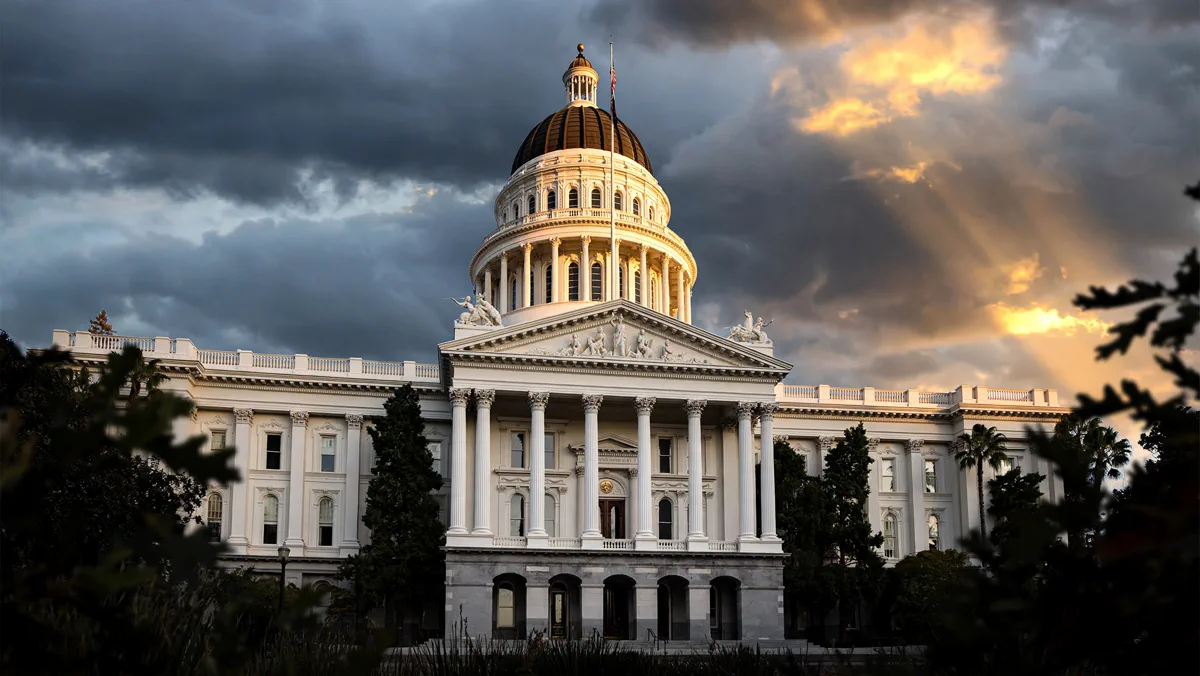
The measure, officially called the 2026 Billionaire Tax Act, sits on California’s November 3 general election ballot. Voting is already underway and runs through November 3. If it passes, here is how it works.
- Anyone (and certain trusts) with more than $1 billion in covered assets who was a California resident on January 1, 2026 pays a one-time tax of up to 5% on that wealth.
- “Covered assets” include businesses, stocks and bonds, artwork, collectibles, and intellectual property. Real estate and some pensions and retirement accounts are excluded.
- Wealth gets measured as of December 31, 2026. The tax is due in 2027, though taxpayers can spread payments over five years at a higher total cost.
- Married couples count as a single individual for the $1 billion threshold.
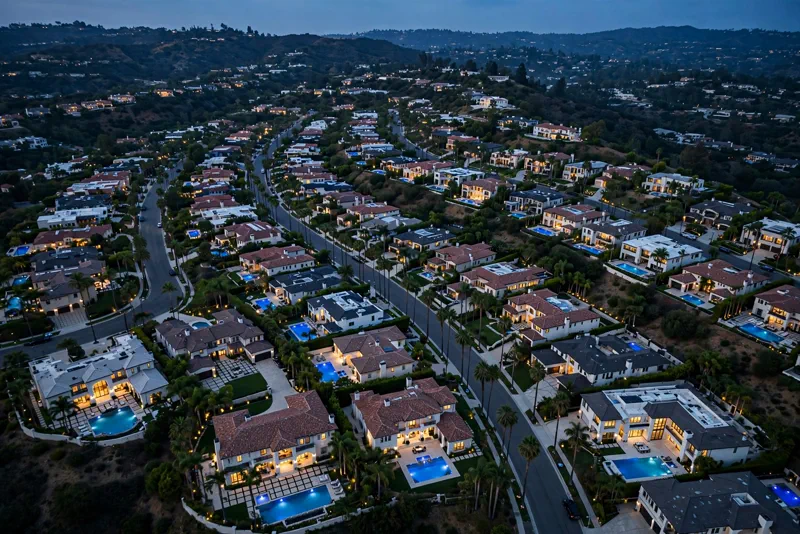
To put a number on it the way KQED’s Laura Fitzgerald did: someone worth $100 billion would owe $5 billion to the state. The proposal’s own preamble claims California has around 200 billionaires holding about $2 trillion in wealth combined, and that they pay less than 1.5% of their total wealth in annual taxes, counting federal, state, and local taxes. Supporters present that figure as the whole justification in one sentence.
Where the money would go

Ninety percent of the revenue must be spent on healthcare services for the public. The remainder goes to education, food assistance, and administering the tax. California’s Legislative Analyst’s Office estimates the measure would generate tens of billions of dollars over several years.
The healthcare earmark is the emotional engine of the campaign. The measure was drafted by the leadership of SEIU-United Healthcare Workers West, the large healthcare workers union. Their argument, voiced by union vice president Debru Carthan: Republicans in Washington cut healthcare benefits to hand tax breaks to the rich, so California should tax the rich to pay for healthcare. Supporters say the money is needed to offset roughly $100 billion in federal healthcare funding that California could lose over the next five years.
That framing is landing with ordinary voters. At a Sunday farmers market in Kensington, near Berkeley, an attorney named Derik Hilliard told KQED he supports the measure. “If a person has a billion dollars, you know what that is? That’s a thousand million,” he said. “A one-time levy in order to distribute some of this wealth for the good of the state, the people of California, is a small ask in my opinion.” A 23-year-old shopper named Julien Tremblay, who is moving back in with his mom to save money, said he was inclined to vote yes. The distribution of wealth in California, he said, is out of balance.
The people fighting it
The opposition is not exactly a mystery, and it is not short on money. Campaign finance records through October 6 show about $32.2 million raised in support of Prop 40 and about $99.6 million raised against it. Opposition money is flooding in from tech billionaires who would personally write the checks.
Google co-founder Sergey Brin has contributed money to the campaign to defeat the measure. Governor Gavin Newsom has come out against it too, which is striking in a heavily Democratic state where Democrats themselves are divided on the proposal.
Their arguments come in three layers. First, the legal one: the tax applies to people who were residents on January 1, 2026, a date nearly eleven months before voters approve it. The Tax Foundation argues that retroactive snapshot gives wealthy residents who left mid-year strong grounds to challenge the tax in court, and notes that the drafters themselves built fallback provisions into the measure in case courts reject the residency rules. So even a yes vote could mean years of litigation.
Second, the economic one: the Legislative Analyst’s Office concedes the state could lose future income tax revenue, estimating less than $1 billion a year, if some billionaires leave California or change their behavior. Billionaires are a tiny share of the population but an enormous share of California’s income tax base, and Sacramento has been burned before by banking on its richest residents.
Third, the climate one, which is where Barr’s story fits. He is not subject to the tax, but he is worried about what comes next. He told The California Post he feared the proposal could eventually expand to millionaires like himself, pointing to its potential retroactive implications. “Today it’s the billionaires,” he said, worrying that future proposals could target people worth $10 million or more. For a 23-year-old who sold his first company, a marketing and media business he started at 18, before founding Flashpass after immigrating to the US from Russia at age three, the direction of the political wind mattered more than the tax rate itself.
Why this vote echoes far beyond California
A one-time wealth tax on individuals has never been tried at the state level in America. If Prop 40 passes, other states with heavy concentrations of billionaires will be watching the revenue numbers and the court battles closely. If it fails, it still establishes the template: a ballot initiative aimed at accumulated wealth, not income, with healthcare spending as the selling point.
For personal finance, the stakes are more practical than philosophical. Tax policy aimed at the ultra-wealthy has a way of drifting down the income ladder over time. California’s measure is deliberately drawn at $1 billion, with real estate and retirement accounts excluded, which means it would not touch a typical high earner. But Barr is not the only young founder doing the math and deciding the signal matters more than the fine print. In a year when wholesale inflation just spiked 6.3% and the federal government ran a $2 trillion deficit, every tax fight doubles as a statement about where the country thinks money should come from.
What happens on November 3
Early voting has been open since October 5. If voters approve Prop 40, the wealth gets valued on December 31, 2026, and the bills go out in 2027. Expect immediate lawsuits challenging the retroactive residency date, and expect a furious five-year stretch of tax planning from the roughly 200 people in the crosshairs.
If voters reject it, California still has the same problem the measure was designed to solve: a projected $100 billion hole in federal healthcare funding and a tax base that depends heavily on a small number of very rich people. And founders like Emil Barr will have learned something either way: that in 2026, the question is not just how much tax you pay, but whether the state wants you there at all.
One footnote for the rest of us: you do not need a billion dollars to be affected by the era of taxes on things other than income. The gap between the 5% some savings accounts pay and the 0.38% national average is its own quiet tax on anyone who does not shop around. Prop 40 is the loud version of a question that is getting asked everywhere: who should the tax system take from, and what should it give back?