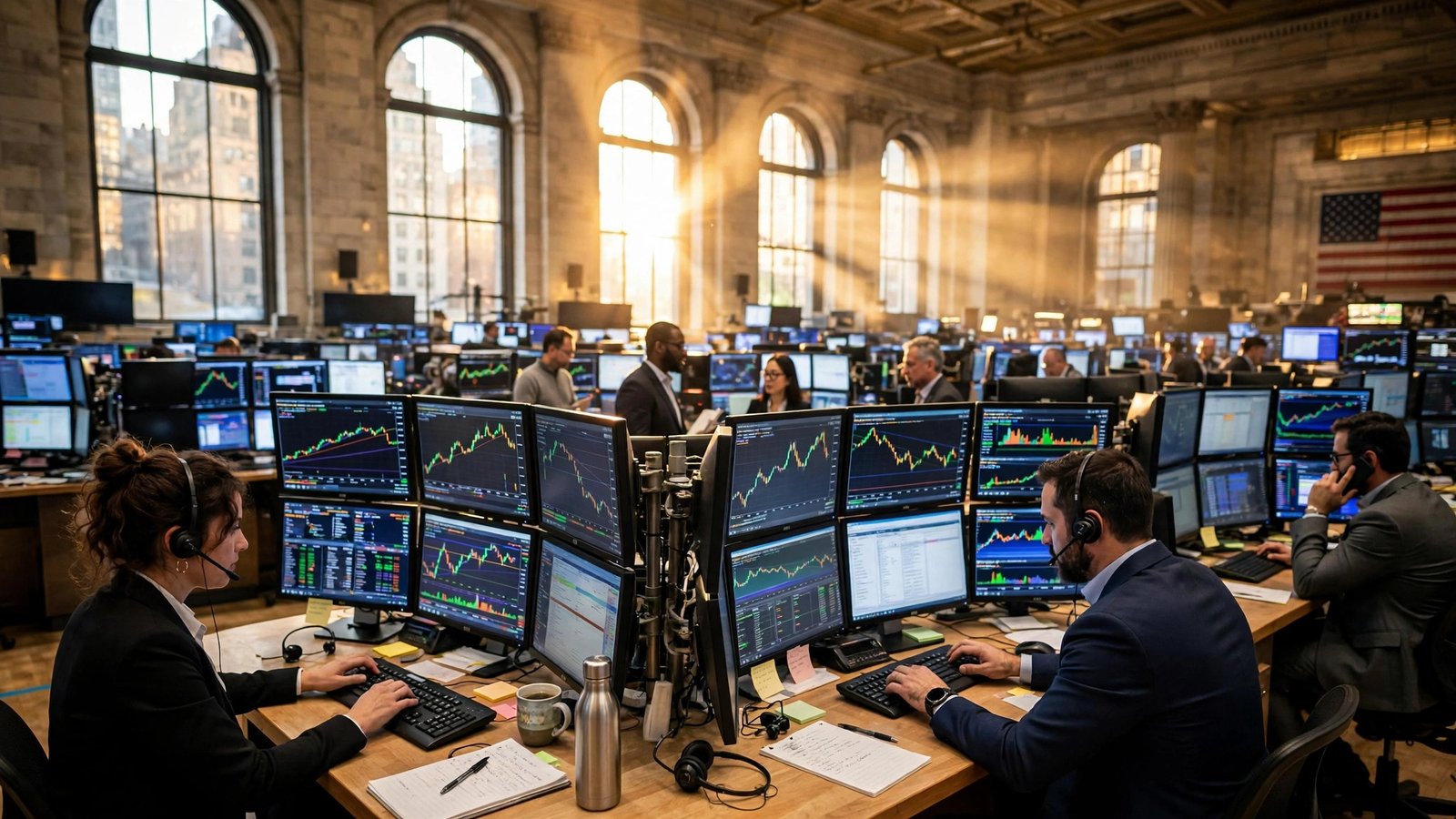
America added just 29,000 jobs in September. Economists had expected 84,000. The unemployment rate ticked up to 4.2 percent. And Wall Street responded by throwing a party.
The Nasdaq Composite jumped 1.2 percent on Friday to close near 27,190, its second-highest finish on record. The S&P 500 rose 0.7 percent to 7,719. Even the Dow, which has spent the week sulking, added about a third of a percent to close at 51,095.
This is the strange logic running American markets in 2026: bad news about the economy is great news for stocks, because it tells the Federal Reserve to keep its hands off interest rates. A labor market that is cooling, but not collapsing, is exactly what traders were praying for. They got it.
The number that flipped the script
The Labor Department report landed early Friday morning and it was ice cold. Nonfarm payrolls grew by 29,000 in September, roughly a third of what forecasters expected. Unemployment rose to 4.2 percent from 4.1 percent. For an economy that has been defying slowdown predictions for months, this was the clearest sign yet that the job market is losing steam.
But the market read it as a gift. Within minutes, traders were ripping up their bets on another Fed rate hike. According to the CME FedWatch Tool, the odds of the central bank raising its key rate at the October meeting collapsed to 24 percent from 64 percent just a week earlier. By the closing bell, futures were pricing a 77 percent chance the Fed simply holds steady.
The 10-year Treasury yield told the same story in two acts. It fell sharply right after the report, then bounced back to finish around 5.26 percent, up a couple of basis points on the day and 8 basis points on the week. Yields are still painfully high by the standards of recent years, but the direction of travel is what matters to stock investors right now.
Phil Blancato, chief market strategist at Osaic, summed up the mood: “This is the exact kind of number the market wanted from a labor standpoint. Not too hot, not too cold … not overly great, and not weakening.” It was the market version of Goldilocks, and Wall Street ate it up.
Chips did the heavy lifting
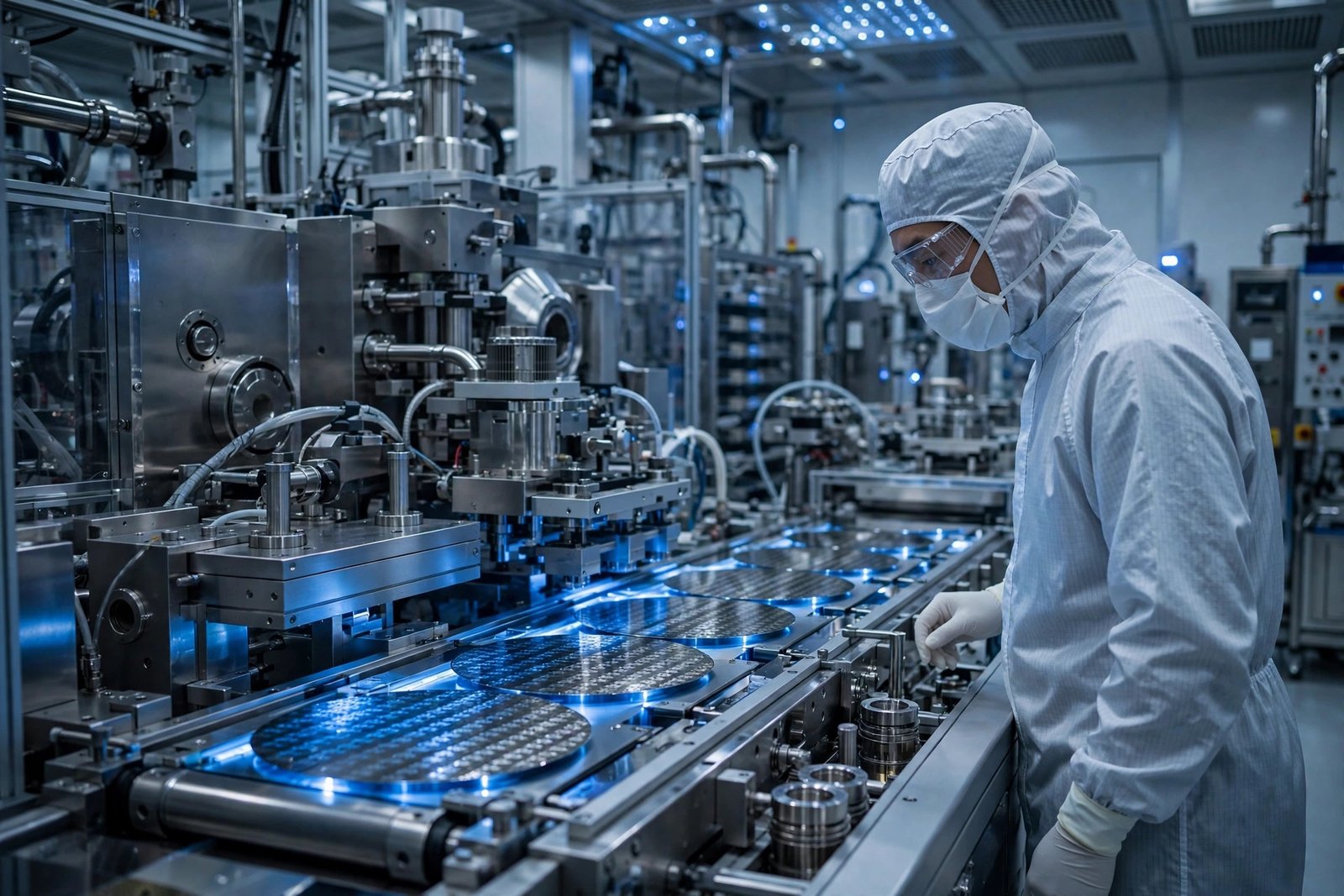
If the jobs report lit the fuse, semiconductor stocks were the explosion. Chip names have become the market’s favorite way to bet on the AI boom, and on Friday they went vertical.
Nvidia, the $4 trillion gorilla of the AI trade, hit a new all-time high intraday. AMD touched a record too and closed up nearly 3 percent. Teradyne, Monolithic Power Systems, and Arm Holdings each surged more than 5 percent. The VanEck Semiconductor ETF jumped 2.7 percent by midday, dragging the whole Nasdaq with it.
It was not a clean sweep, though. Seagate Technology cratered nearly 13 percent on a downbeat corporate update, a reminder that even in a chip rally, company-specific news still bites. Western Digital also closed with heavy losses. The message: investors are rewarding AI winners and punishing anything that smells like a warning.
Technology and materials each rose about 1 percent among S&P 500 sectors, and consumer discretionary led the pack with a gain of more than 1 percent. Ten of eleven sectors finished green. The lone loser was health care, which slipped slightly.
A rally with a split personality
Here is the part the headline numbers hide: this rally is narrow. The Nasdaq is flying, but the broader market is limping.
For the full week, the Nasdaq managed a 0.44 percent gain, its third straight weekly win. The S&P 500 lost 0.3 percent. The Dow fell 1.42 percent, and the small-cap Russell 2000 slipped 0.13 percent despite a strong Friday. When only the tech-heavy index is winning, it means a handful of giant stocks are doing all the work.
The fear gauge agrees that calm has returned, for now. The VIX dropped to 15.58, its lowest in weeks. But narrow rallies have a habit of wobbling, because they depend on a small group of stocks staying perfect.
Commodities told a gloomier story about the real economy. West Texas Intermediate crude fell 2.5 percent on Friday to $90.57 a barrel after reports that the European Union could release diesel stockpiles, with Washington pressing Europe to act as diesel prices soar. Gold eased 0.85 percent to $4,166.60 an ounce, silver slipped to $60.40, and copper managed a 1 percent gain to $6.55 a pound. Bitcoin drifted lower to around $84,400, showing no interest in joining the stock party.
What happens next: the Fed and earnings season
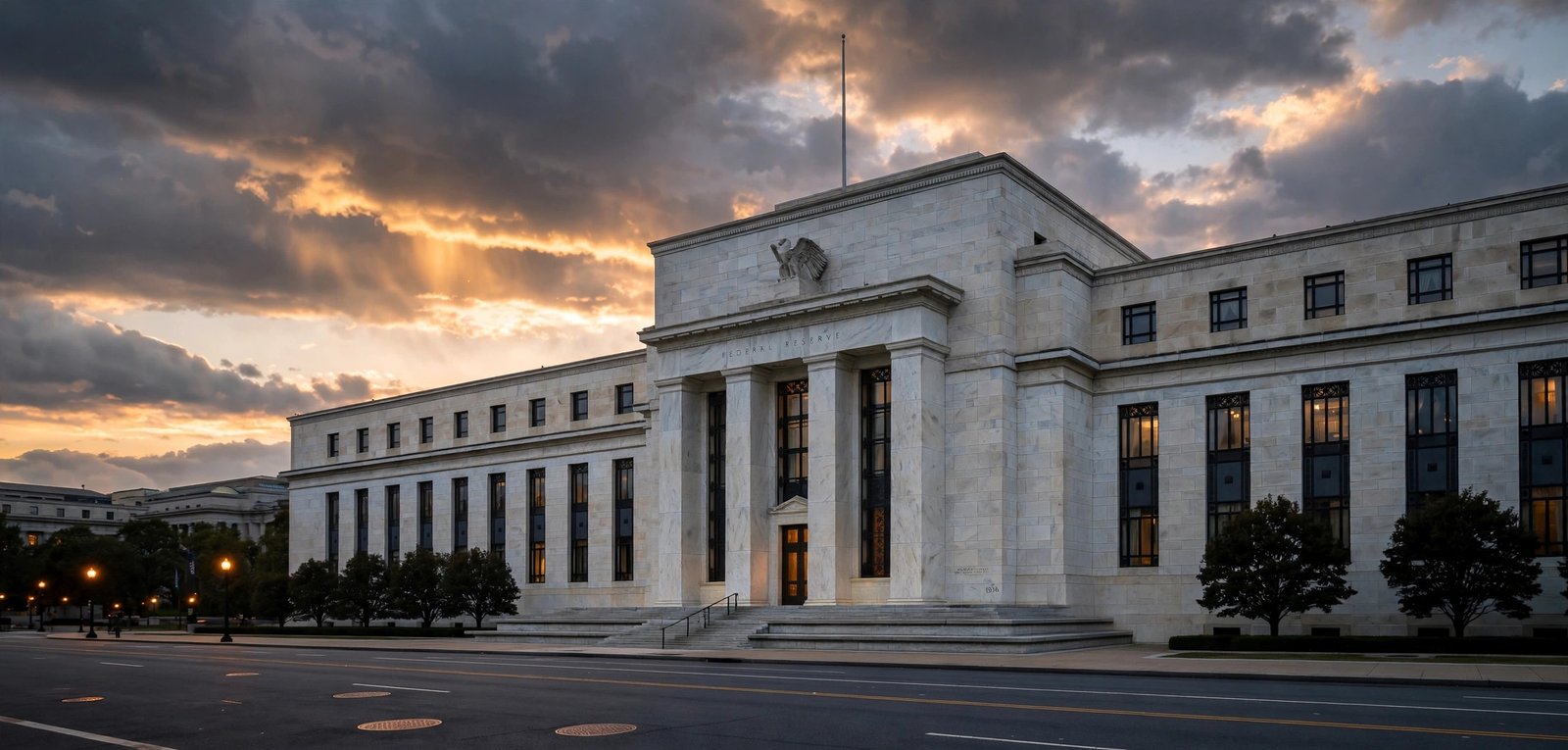
All eyes now turn to the Federal Reserve’s two-day meeting on October 27 and 28. With hike odds cratering, the base case is a hold, and traders will parse every word of the statement for hints about what comes after. A labor market that keeps cooling gently would cement the case for patience. A hot surprise in the next data round would ruin the party fast.
Then there is earnings season, which kicks off in earnest over the next two weeks. Saira Malik, chief investment officer at Nuveen, is forecasting a “very strong” reporting season and thinks Friday’s jobs data could mark the start of something bigger. “I think this could be the start of the Santa Claus rally that we’ve all been hoping for,” she said.
That is the bull case in one sentence: cooling jobs kill the hike threat, strong earnings justify the multiples, and the market grinds higher into year end. The bear case is equally simple: 29,000 jobs is a thin cushion, and if the labor market tips from cooling into contracting, no amount of rate-cut hoping will save stock prices.
The bottom line
Friday was a perfect snapshot of this market’s personality. Terrible headline number, euphoric reaction, tech leading, everything else lagging. The Nasdaq sits within shouting distance of a record because investors decided that a weak labor market is the price of admission for easier money.
Whether that logic holds depends on two things arriving soon: a Fed that stays on hold, and earnings that prove the AI trade is still paying for itself. Get both, and the rally has room. Miss on either, and the split personality of this market will show its darker side.
For continuing coverage of stocks, crypto, and everything moving money in America, see More Markets coverage on VIDX. This week’s action was also covered in depth by Investor’s Business Daily’s market recap and the weekly market commentary on PR Newswire.